Crazy Flavour, Big Medicine
Pronounced “Noonie,” Dis plant hold a firm place in Jamaican bush medicine. This hardy plant easy fi spot with its shiny green leaves and pale, knobbly fruits. Famous for it’s strong pungent taste and potent medicinal properties, elders and herbalists reach fi Noni in Jamaica when dem want fi build strength, clear out stubborn ailments, and bring di body back into balance. From di hills of Westmoreland to di fishing villages by di coast, Noni stay a steady part of Ital living and Rasta healing traditions.
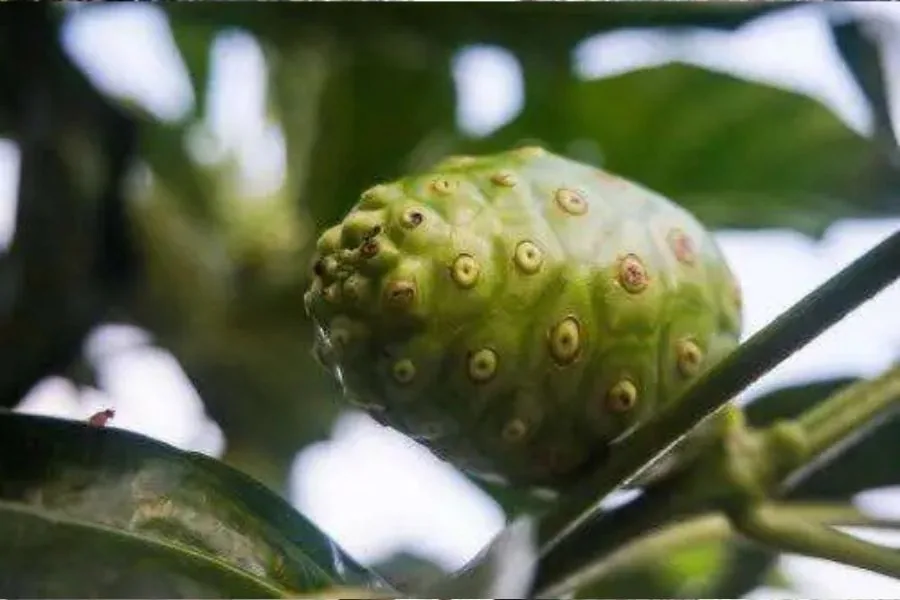
What is Noni in Jamaica?
Noni in Jamaica is a small evergreen tree that thrive in warm, coastal climates. Yuh find it growing wild along roadways, close to di beach, and in backyard gardens. Di fruits are oval and bumpy, starting green before turning a translucent yellow-white with a strong, distinct scent when ripe. Di broad, glossy leaves stay lush all year, and small white flowers bloom steady.
Though Noni come from Polynesia originally, it find a natural home in di Caribbean. In Jamaica, both di fruit and di leaves carry value, each holding its own set of medicinal uses passed down through generations.
Where to Find Noni in Negril
You can check the vendors at Dumpling Alley and you might get lucky. Or try the Rasta with the fruit van in the parking lot bside Corner Bar, or the pushcart vendors who travel up and down West End Road. But your best bet is to talk to locals, somebody can guide you to a nearby tree. Noni trees grow all over Negril, in people’s yards and on public land.
The tree’s fruit often on year-round, but it really thrive in the warmer months when the sun and humidity push the fruiting into high gear. You can find ripe Nuni in winter same way you do in summer, but the hotter season usually bring more fruit and a stronger smell.
How to Make Fermented Noni Juice
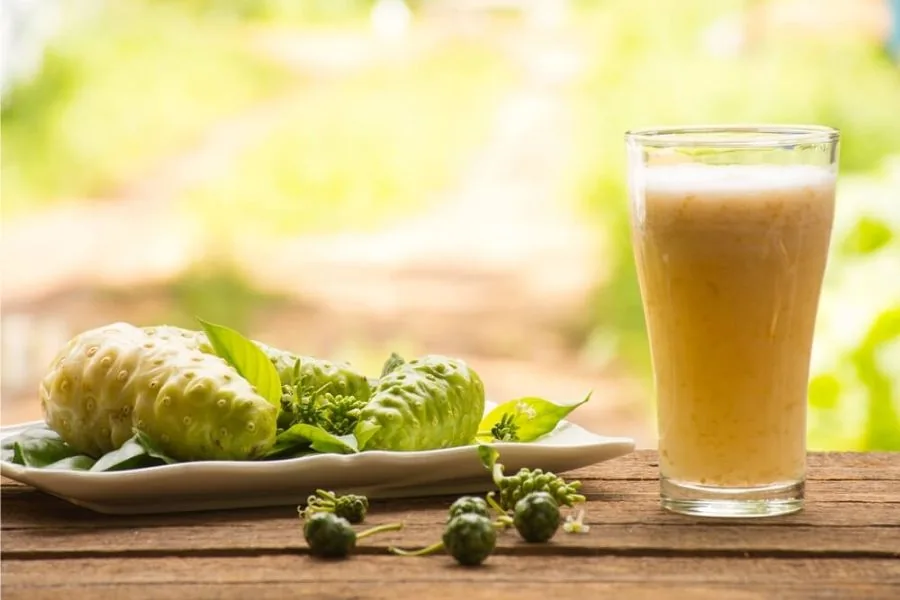
One of di most respected ways fi prepare Noni in Jamaica is through fermentation, creating what many call “noonie juice” or “fermented noonie juice.”
Ingredients:
- Ripe Noni fruits
- Clean water (optional, for rinsing)
- Large glass jar, container, or sturdy cloth bag
Method:
- Harvest ripe Noni fruits when dem turn pale yellow-white and carry that distinct pungent scent.
- Wash fruits gently in clean water to remove dirt.
- Pack fruits into your chosen container, filling it loosely so air can circulate.
- Cover the container and place it in a warm, shaded spot.
- Ferment for several weeks until the fruits soften and release their natural liquid.
- Strain the liquid through a clean cloth or fine sieve.
- Bottle the juice and store it in a cool place.
Some people drink it straight, while others add honey, ginger, or lime fi smooth di taste. In plenty communities, a small daily serving is taken as a tonic fi strengthen the immune system and boost energy. Di fermentation process can also be done in a bag if yuh nah have no container.
Other Ways to Use Noni
- Tea from di leaves – Steep the broad green leaves in hot water fi make a mild tea, used fi ease joint aches, improve digestion, or as part of a detox.
- Poultice for di skin – Crush fresh leaves and place dem direct on skin or wrap over sore joints fi help draw out pain and swelling.
- Topical washes – Light decoctions from leaves or roots used fi rinse minor wounds or calm skin irritation.
Medicinal Properties
- Anti-inflammatory – Noni carry compounds that help reduce swelling and ease pain.
- Antioxidants – Protect di body from oxidative stress and support healthy cells.
- Immune support – Some studies show regular Noni juice use can improve immune function.
- Joint and muscle health – Help ease discomfort from arthritis or chronic pain.
Fermentation can boost some of these benefits, making di traditional juice especially powerful. Still, it’s a strong plant, so use with care, especially if yuh pregnant, dealing with kidney or liver issues, or taking prescription medicine.
-
Buy Now This product has multiple variants. The options may be chosen on the product page
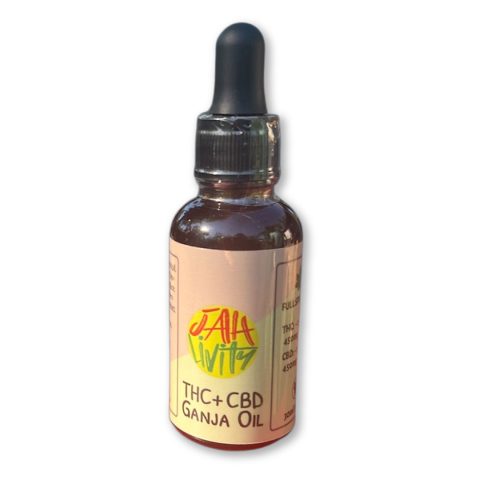
Ganja Oil – THC + CBD Oil
🌿 THC+CBD Ganja Oil – Balanced Drops, Everyday …$50.00 Buy Now This product has multiple variants. The options may be chosen on the product page -
Buy Now This product has multiple variants. The options may be chosen on the product page
THC Vape Cart
Step into pure island elevation wid Jah Livity’s …$55.00 Buy Now This product has multiple variants. The options may be chosen on the product page -
-
Buy Now This product has multiple variants. The options may be chosen on the product page
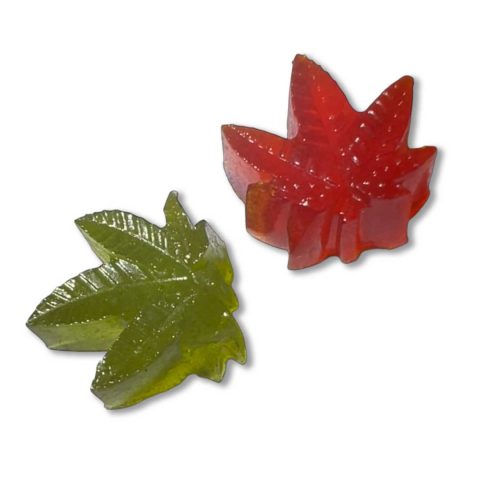
Ganja Gummies
Satisfy your sweet tooth and elevate your mind …Price range: $30.00 through $40.00 Buy Now This product has multiple variants. The options may be chosen on the product page -
Buy Now This product has multiple variants. The options may be chosen on the product page
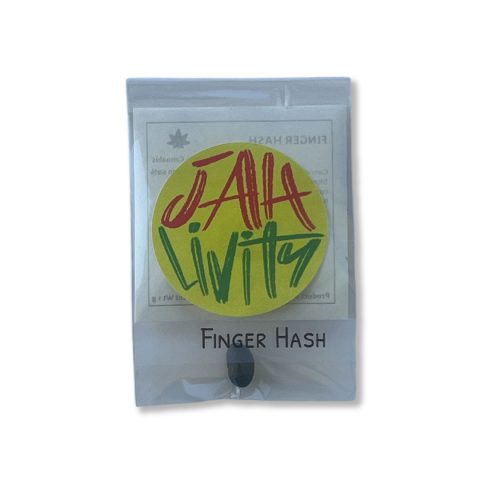
Finger Hash
Step into di rich history of cannabis wid …Price range: $35.00 through $150.00 Buy Now This product has multiple variants. The options may be chosen on the product page
Cultural Significance in Jamaica
In Jamaican life, Noni in Jamaica is more than a bush remedy, it’s a sign of self-reliance and a deep respect fi di land. Yuh find it in backyard gardens, Rasta camps, and rural markets, often shared between neighbours or gifted by elders.
Some keep a jar of fermenting Noni juice on hand all year, topping it up with fresh fruit as needed. Others brew di leaf tea as part of seasonal washout routines. Used with respect, Noni remind people of nature’s healing power and di wisdom of elders who still show yuh how fi use it right.
Jah Livity FAQs
1. What’s Jah Livity all about?
Jah Livity is an online cannabis dispensary rooted in Rastafarian culture. Wi provide sacramental ganja certified under EABICCS, ensuring high-quality, authentic herb fi spiritual and recreational use.
2. Can I legally buy cannabis from Jah Livity in Jamaica?
Yah man! Link Our Shop Jah Livity operates legally under EABICCS certification, making it safe fi locals and tourists aged 18 and older to purchase and enjoy ganja.
3. How do I order from Jah Livity’s online cannabis dispensary?
Visit Jah Livity’s online shop. Orders are delivered in 30 minutes to Negril and surrounding areas, or within 2 hours fi larger orders to hotels like Sandals South Coast or Grand Palladium.
4. What payment methods does Jah Livity accept?
Wi keep tings simple, cash pon weed delivery. Quick, secure, and hassle-free cannabis delivery in Negril.
5. Does Jah Livity support local Rastafarian communities?
Absolutely! Jah Livity is committed to cultural preservation and supports local farmers and Rastafarian communities with every purchase. Learn more about Jah Livity’s mission.
6. Can tourists buy herb in Jamaica?
Yes! Tourists aged 18 and over can legally enjoy ganja in Jamaica. Mek sure yuh get di best best weed in Negril, always choose trusted providers like Jah Livity.
7. What other products can I order from Jah Livity’s online cannabis dispensary?
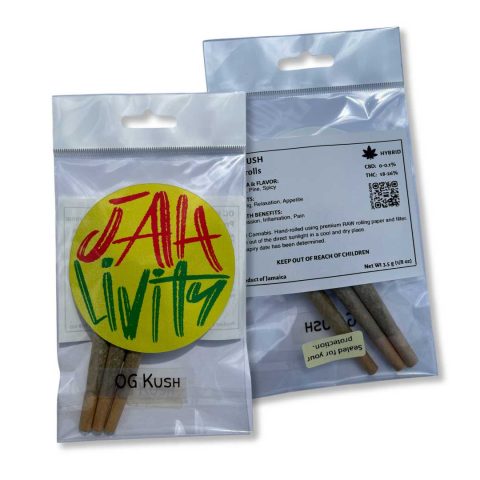
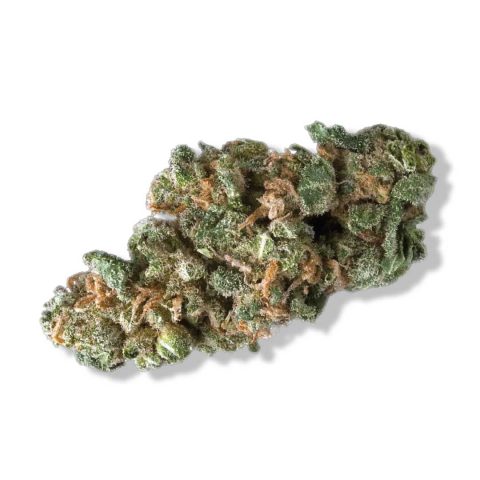
We offer Flower, Pre-Rolls, Ganja Gummies, Ganja Oil, Finger Hash, Full Spectrum Vapes, and a range of accessories in Our Shop.
8. How do I choose the right strain from Jah Livity?
Jah Livity offers some of the best weed in Negril, available in a wide variety of strains, including calming Indicas, uplifting Sativas, and balanced hybrids. Browse detailed descriptions in Our Shop or reach out to di Jah Livity team fi personalized advice.
Still got questions? visit di FAQ page.
Respect and Blessings!