Out of Many, One People
Emancipation may have free up di body, but Independence is what start fi free up di future.
Every Aug. 6, We one of di most important political milestones in Caribbean history: Independence Day in Jamaica. Di celebration of the day our people reached full independence from British rule in 1962. But that victory never come easy. It take generations of struggle, sacrifice, organizing, and vision from everyday people who know seh Jamaica was more than just a colony.
Life Under British Rule
Jamaica was seized by the British in 1655, taken from the Spanish and turned into one of Britain’s most profitable colonies. That profit come from plantation slavery, where millions of Africans were brought to the island in chains, forced to labour under brutal conditions for sugar, rum, and wealth that never reach their hands.
Even after slavery “end” in 1834, colonialism still rule di land.
Jamaicans had no real political voice. Britain appoint governors to control everything from education to land laws to justice. The wealth of the island stay in the hands of a few, mostly white, mostly foreign. Local people were expected to obey, not lead.
But dem same people start to rise.
The Rise of Self-Government
By the late 1800s and early 1900s, Jamaican voices start fi get louder.
Resistance never stop. Maroon communities hold their ground from the 1700s, and worker protests spark up across the island in the 1930s.
The Rise of Political Power
Di 1930s bring a new kind of fire to Jamaica, one that start in di streets, di sugar fields, and di wharves, and end up shaping di nation itself.
Marcus Garvey had already set di foundation. His Pan-African message call fi Black pride, economic independence, and repatriation to Africa. Garvey’s words travel far, but dem also plant deep roots at home, showing Jamaicans that freedom was more than survival, it was self-reliance and self-rule.
By mid-decade, frustration with low wages and poor living conditions reach boiling point. Strikes and protests break out across di island.
In Kingston, St. William Grant stand tall as a street speaker and labour leader, reasoning wid crowds about workers’ rights. A young Alexander Bustamante, sharp-witted and fearless, soon step forward. Bustamante write fiery letters to di newspapers, defend workers who get lock up during protests, and start di Bustamante Industrial Trade Union (BITU) in 1938. From dockworkers to bauxite miners to cane cutters, di union bring unity and power to thousands.
Meanwhile, Norman Manley, a brilliant lawyer and war veteran, form di People’s National Party (PNP) dat same year. Manley support di union movement and push hard fi full self-government.
Bustamante and Manley walk different political roads, but dem share one aim, Jamaica must govern itself. In 1943, Bustamante create di Jamaica Labour Party (JLP), giving di people two strong political forces to choose from.
Di people respond. By 1944, Jamaica hold its first general election under universal adult suffrage. Every Jamaican adult could vote, no matter dem race, income, or background.
That moment mark more than just an election. It show seh power was shifting from colonial hands into di hands of Jamaicans, and di road to Independence was now wide open.
By 1944, Jamaica had its first election under universal adult suffrage, every adult had the right to vote. It was a shift. For the first time, Jamaicans had a say in their own leadership.
Why Jamaica Left the West Indies Federation
In 1958, Britain try fi unite several Caribbean colonies into the West Indies Federation, a kind of regional government. Jamaica join, but concerns grow fast.
Many Jamaicans felt the Federation would slow down the island’s progress. Bustamante lead a referendum in 1961 asking Jamaicans directly: Should we stay in this Federation or step out and go it alone?
The answer: Leave.
August 6, 1962: A New Nation Is Born
Less than a year later, Jamaica gain full independence from Britain.
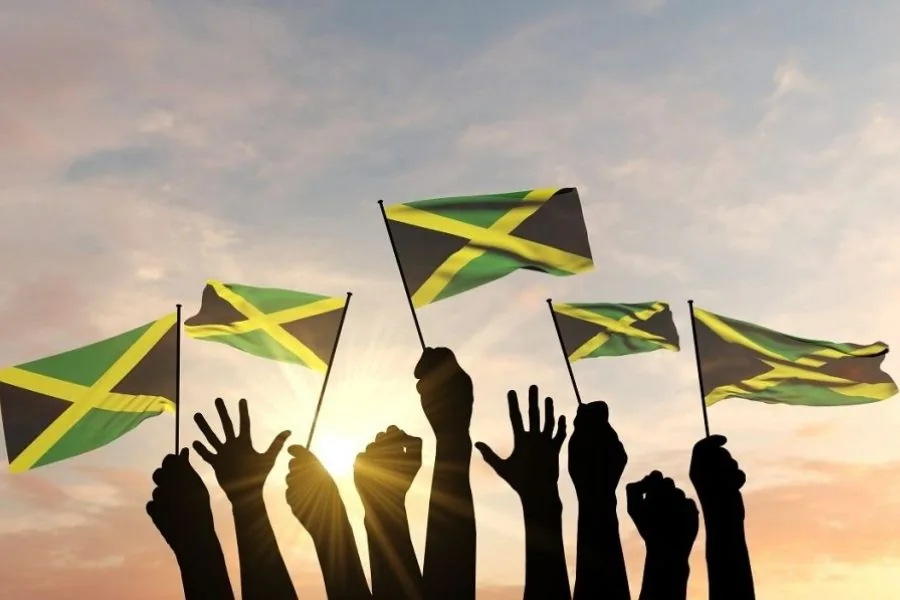
On August 6, 1962, the Union Jack lower and the black, green, and gold of Jamaica rise over the island for the first time.
Sir Alexander Bustamante became the country’s first Prime Minister.
Jamaica remain a member of the Commonwealth, with the British monarch as symbolic head of state but real power now rest in the hands of a Jamaican Parliament.
The island’s national motto “Out of Many, One People” reflected a commitment to unity, even with all the scars of colonization still fresh.
-
Buy Now This product has multiple variants. The options may be chosen on the product page

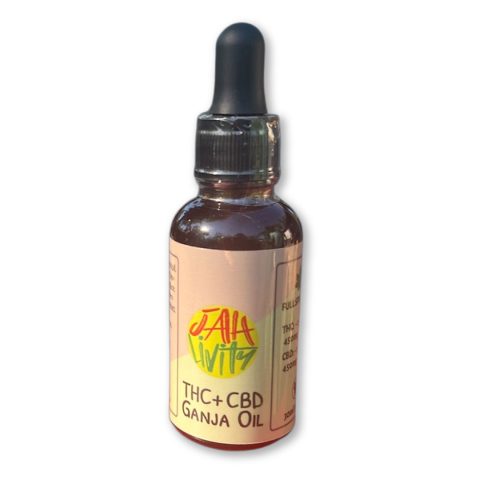
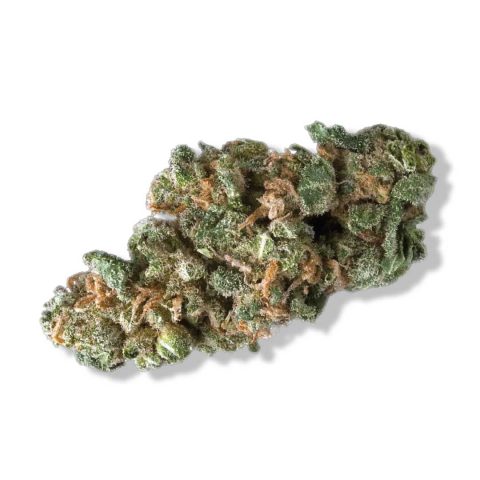
Ganja Oil – THC + CBD Oil
🌿 THC+CBD Ganja Oil – Balanced Drops, Everyday …$50.00 Buy Now This product has multiple variants. The options may be chosen on the product page -
Buy Now This product has multiple variants. The options may be chosen on the product page
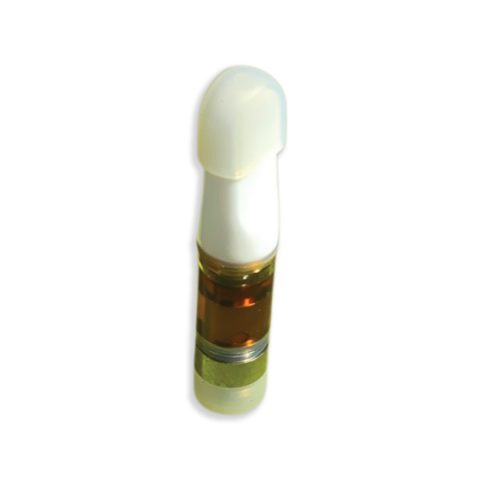
THC Vape Cart
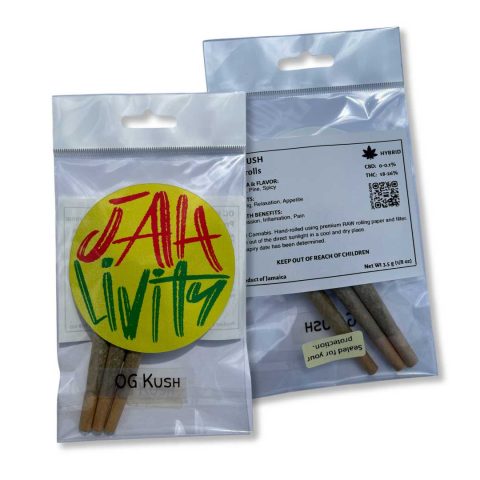
Step into pure island elevation wid Jah Livity’s …$55.00 Buy Now This product has multiple variants. The options may be chosen on the product page -
-
Buy Now This product has multiple variants. The options may be chosen on the product page
Ganja Gummies
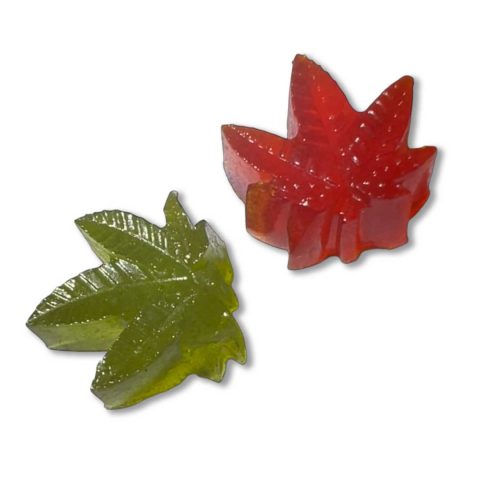
Satisfy your sweet tooth and elevate your mind …Price range: $30.00 through $40.00 Buy Now This product has multiple variants. The options may be chosen on the product page -
Buy Now This product has multiple variants. The options may be chosen on the product page
Finger Hash
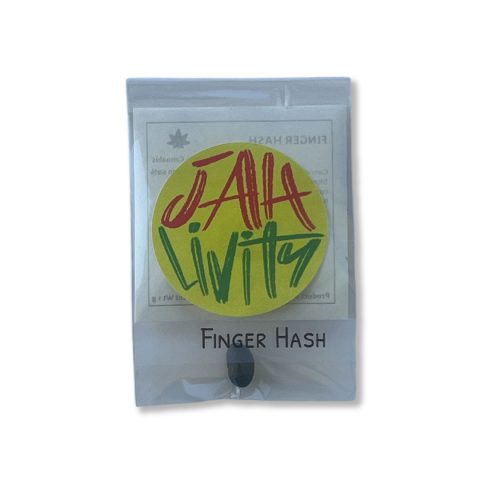
Step into di rich history of cannabis wid …Price range: $35.00 through $150.00 Buy Now This product has multiple variants. The options may be chosen on the product page
Why Independence Still Matters
Independence Day is not just about fireworks, float parades, and concerts (though all a dat sweet). It’s about sovereignty. About the right fi chart your own course, and not be run by foreign power.
It’s about remembering that:
- Freedom didn’t just happen, it was demanded, fought for, and built.
- The political system we have now is the result of Jamaican people organizing together over decades.
- Emancipation freed us from slavery. Independence gave us the chance fi decide who we be as a nation.
The Work Still Ahead
Jamaica still face challenges—economic inequality, foreign debt, crime, political corruption. But the legacy of August 6 is about possibility.
Independence didn’t solve everything. It open the door fi continue di work.
Every time yuh plant seed,
How We Celebrate Independence Day in Jamaica
August 6 inna Jamaica full of energy, colour, and pride. The day carry di spirit of di people from hillside to seaside.
Flags wave up early, flying high pon buildings, schools, shops, and verandahs. The black, green, and gold shine bright symbols of strength, land, and resilience.
From morning straight through di night, the island full of movement and sound:
- Sound systems tun up, bringing reggae, dancehall, ska, and revival rhythms
- Parades pass through town centres with cultural troupes, scouts, cadets, and uniformed groups
- Folk and national dress show up strong—madras skirts, bandana wraps, tailored jackets in national colours
- Food vendors post up with jerk, roast corn, curry, fish, bammy, pudding, and sweet drinks
Many communities set up cultural shows in the evening featuring drummers, dancers, dub poets, storytellers, and local singers.
In Kingston, the Grand Gala at National Stadium bring together thousands fi a full stage show, military display, fireworks, and artistic performance celebrating Jamaican identity.
People living abroad celebrate too. Diaspora communities in places like Canada, UK, and the US gather fi cookouts, flag raisings, concerts, and prayer services, all flying di Jamaican colours with respect.
Independence Day hold space for celebration and reflection. The day honour di past and carry forward di dreams of generations who work toward self-governance. The people keep building Jamaica with intention through culture, family, business, land, and love.
teach a child, grow a business, yuh protect di land, yuh build culture, yuh carry forward that same spirit of self-determination that make Jamaica independent.
Want some good vibes on Independence Day? Check out Our Shop.