Weather Wisdom from Di Mountain Side
People living in di hills speak from experience. In places like Mavis Bank, Cascade, and Gordon Town, farmers and residents have been observing weather patterns all their life. Over time, dem build a way of knowing that comes from paying attention to how di land and sky behave. Dem grow up observing how the Blue Mountains protect Jamaica from storms.
Dem talk about how clouds settle before a shift in wind. When rain fall early pon one side of di ridge, it often signal that a system already deh near. Some describe how di mountain seem fi bend di clouds. Others just say it ease off di pressure.
This kind of understanding come from watching carefully, season after season, and learning fi move with di rhythm of di place.
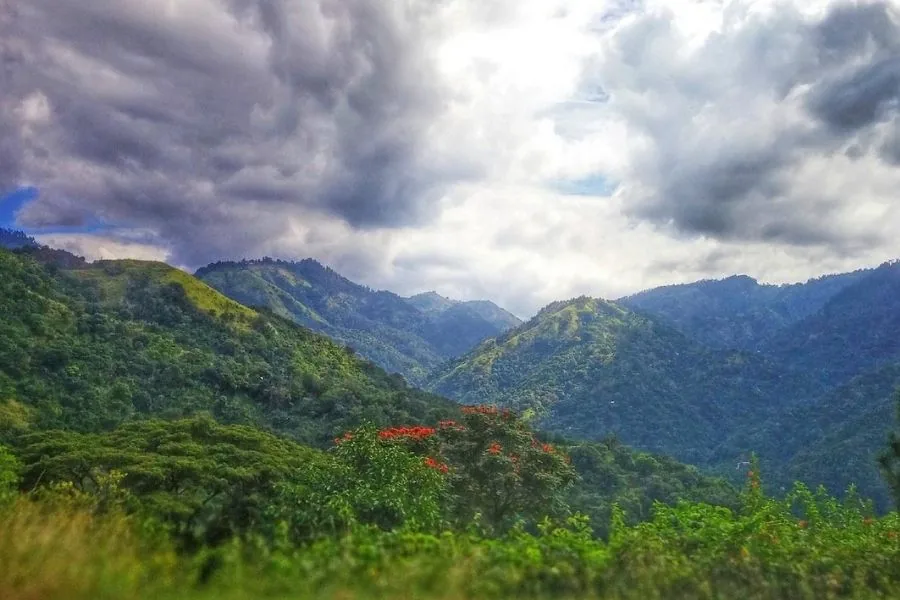
How the Blue Mountains Protect Jamaica by Shaping Storm Impact
Di shape and elevation of di Blue Mountains influence how storms behave after they reach Jamaica. Di high ridges force warm air to rise quickly, which draws out heavy rainfall early—especially in eastern parishes like Portland and St. Thomas.
As di storm system moves inland, di mountain terrain reduces its strength. Wind circulation gets disturbed, rain loses force, and pressure shifts across di island. Areas west of di range often feel a different kind of impact because of how much energy already released in di hills.
Even a few hundred metres of elevation can change where and how a storm delivers rain, wind, and flooding. Di mountains guide that process every time.
For Those Who Travel Into Di Hills
People who spend time in di Blue Mountains experience a different side of Jamaica. Di temperature drops as you climb. Di roads narrow. Life slows down. Up in di hills, farming, forest, and daily movement blend into each other. People build with purpose, grow what dem use, and live close to di land. Jamaicans have a deep care and respect for the land, and part of data love come from overstanding how the Blue Mountains protect Jamaica.
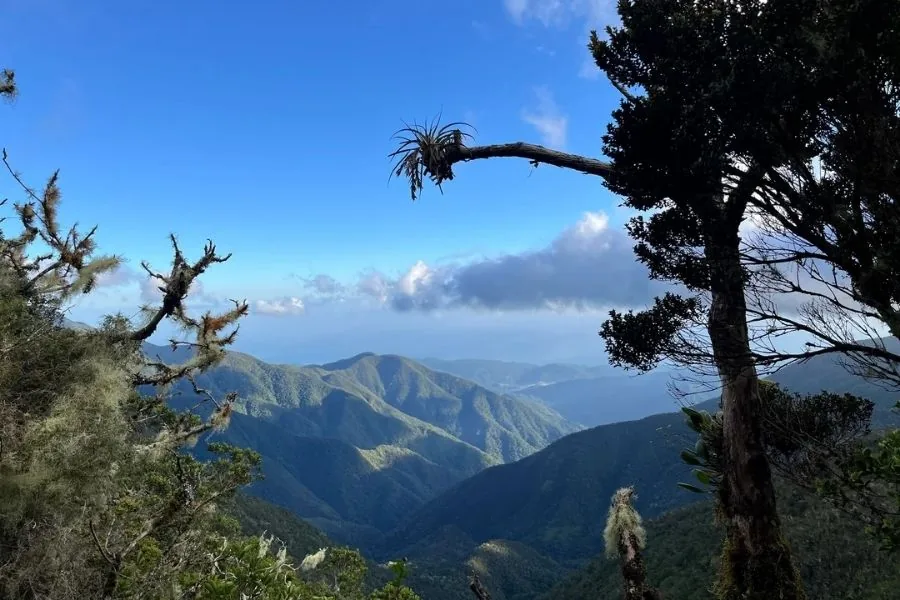
If you’re planning to explore:
- Holywell Park offers trails, tall trees, and misty lookouts over Kingston
- Jay’s Guest House, just beyond Mavis Bank, provides a base for hiking or resting
- School of Vision, near Newcastle, is a small Rastafari village that welcomes respectful visitors for Ital food, quiet livity, and cultural reasoning
Each place in di mountains carry its own connection to di land, shaped by elevation, tradition, and time. People who live and move in these spaces continue to build with care and awareness, grounded in di same terrain that shape weather and guide season. That way of living remain steady across di range, linking natural movement with daily life.
What the Blue Mountains Grow
Di Blue Mountains nurture more than just mist and quiet. From steep hillsides and rich volcanic soil, di land produce some of Jamaica’s most prized crops.
Blue Mountain Coffee is world-renowned, grown high in elevation with care and tradition. It’s smooth, rich, and hand-processed by farmers who understand di rhythm of di land.
But coffee isn’t the only ting flourishing in di hills.
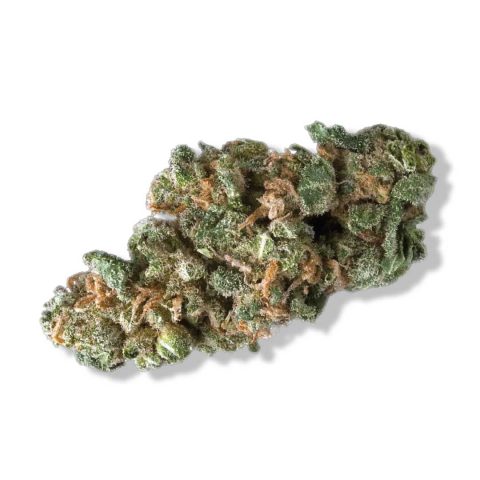
Plenty small farmers in di mountains grow herbs, fruits, and ganja with reverence. Yuh might hear talk of Blue Mountain weed Jamaica, ganja cultivated in high places, where cool air and clean water help produce herb with real character.
Other mountain-grown foods include:
- Callaloo, yam, and dasheen from backyard plots
- Wild herbs like guinea hen weed and leaf of life
- Honey and seasonal fruits like soursop and guava
In these hills, people grow what dem use, eat what dem grow, and live connected to terrain. Whether it’s a cup of coffee, a steam chalice of Ital herb, or bush tea from di yard, mountain-grown produce carry di energy of di place.
-
Buy Now This product has multiple variants. The options may be chosen on the product page

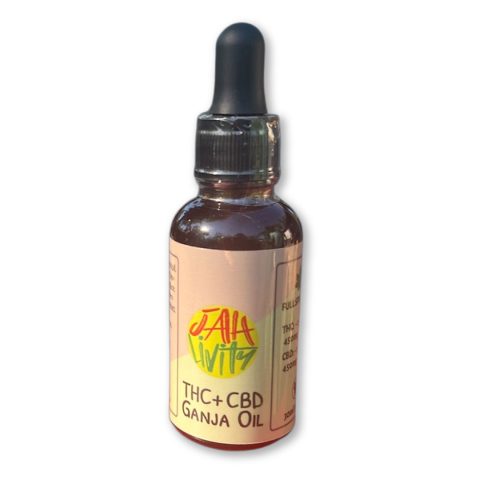
Ganja Oil – THC + CBD Oil
🌿 THC+CBD Ganja Oil – Balanced Drops, Everyday …$50.00 Buy Now This product has multiple variants. The options may be chosen on the product page -
Buy Now This product has multiple variants. The options may be chosen on the product page
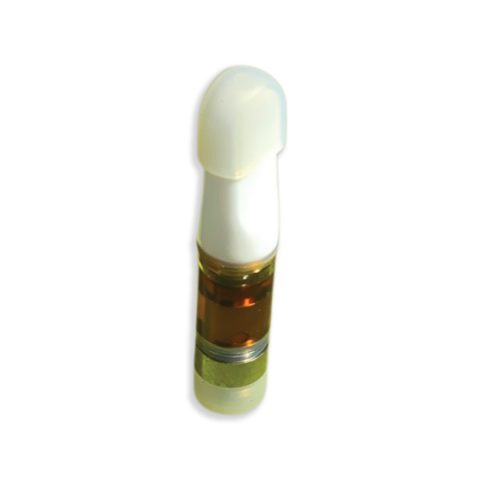
THC Vape Cart
Step into pure island elevation wid Jah Livity’s …$55.00 Buy Now This product has multiple variants. The options may be chosen on the product page -
-
Buy Now This product has multiple variants. The options may be chosen on the product page
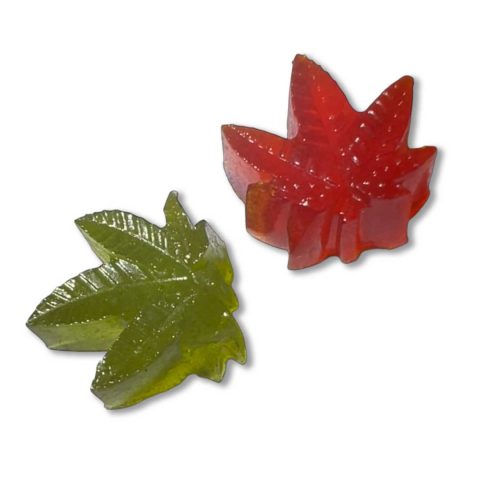
Ganja Gummies
Satisfy your sweet tooth and elevate your mind …Price range: $30.00 through $40.00 Buy Now This product has multiple variants. The options may be chosen on the product page -
Buy Now This product has multiple variants. The options may be chosen on the product page
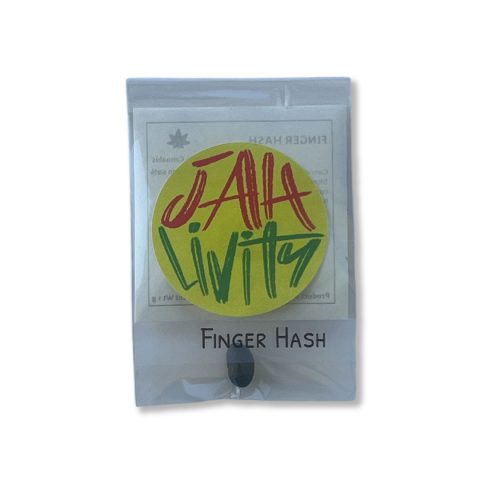
Finger Hash
Step into di rich history of cannabis wid …Price range: $35.00 through $150.00 Buy Now This product has multiple variants. The options may be chosen on the product page
Jah Livity FAQs
What’s Jah Livity all about?
Jah Livity is a cannabis delivery service rooted in Rastafarian culture. Wi provide sacramental ganja certified under EABICCS, ensuring high-quality, authentic herb fi spiritual and recreational use.
Can I legally buy cannabis from Jah Livity in Jamaica?
Yah man! Jah Livity operates legally under EABICCS certification, making it safe fi locals and tourists aged 18 and older to purchase and enjoy ganja. If yuh looking fi where to buy weed in Jamaica legally and culturally rooted, Jah Livity is a trusted source.
How do I order from Jah Livity?
Visit Jah Livity’s Online Shop. Orders are delivered in 30 minutes to Negril and surrounding areas, or within 2 hours fi larger orders to hotels like Sandals South Coast or Grand Palladium.
What payment methods does Jah Livity accept?
Wi keep tings simple—cash pon weed delivery. Quick, secure, and hassle-free Negril weed delivery.
Does Jah Livity support local Rastafarian communities?
Absolutely! Jah Livity is committed to cultural preservation and supports local farmers and Rastafarian communities with every purchase.
Can tourists buy herb in Jamaica?
Yes! Tourists aged 18 and over can legally enjoy ganja in Jamaica. Mek sure yuh get di best weed in Jamaica by sticking wid reputable providers like Jah Livity.
What other products can I order from Jah Livity?
Wondering where to buy weed in Jamiaca? You have arrived!
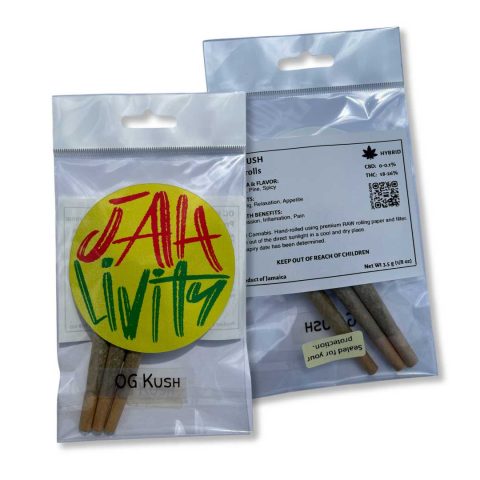
We offer Flower, Pre-Rolls, Ganja Gummies, Ganja Oil, Finger Hash, Full Spectrum Vapes, and a range of accessories in Our Shop.
How do I choose the right strain from Jah Livity?
Jah Livity offers some of the best weed in Jamaica, available in a wide variety of strains—including calming Indicas, uplifting Sativas, and balanced hybrids. Browse detailed descriptions in Our Shop or reach out to di Jah Livity team fi personalized advice. If you’re staying near di hills and curious ’bout Blue Mountain weed Jamaica, link wi fi guidance.
Still got questions? Visit di FAQ page.
Respect and Blessings!