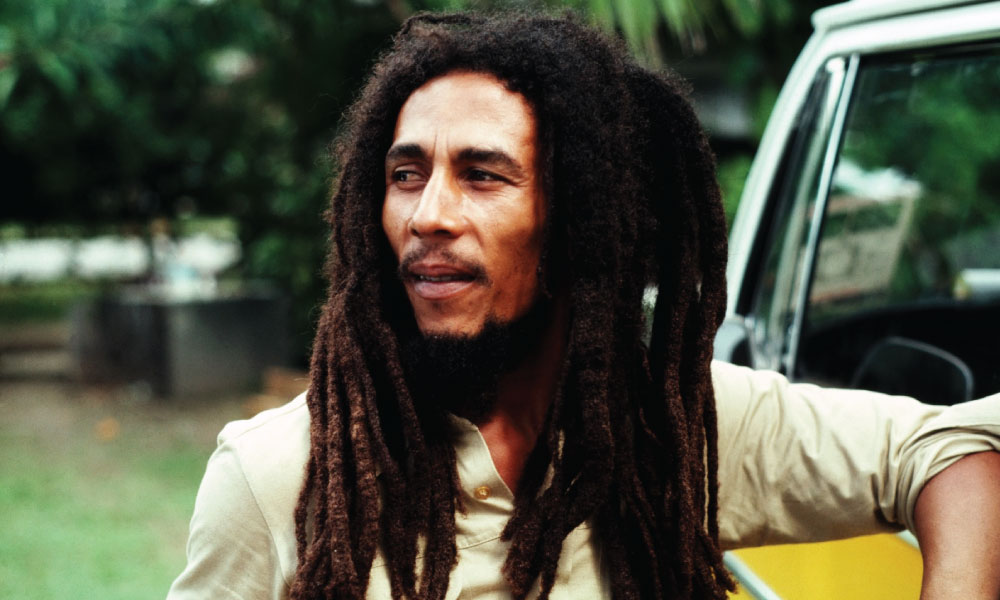
Bob Marley, di reggae legend and di heart of Rastafarian culture, wasn’t just about di music—him was a philosopher, a freedom fighter, and di ultimate ambassador fi di sacred herb. To Marley, ganja wasn’t jus’ a smoke thing; it was Jah’s gift to di world, a symbol of unity, and a key to spiritual awakening.
Now, how many ganja quotes come straight from Marley himself? Well, it’s hard fi count exactly, because di man loved to talk ‘bout di herb in interviews, songs, and even casual limes. But mi tell yuh, we’ve put together 50 of di most iconic quotes that show just how much ganja meant to him.
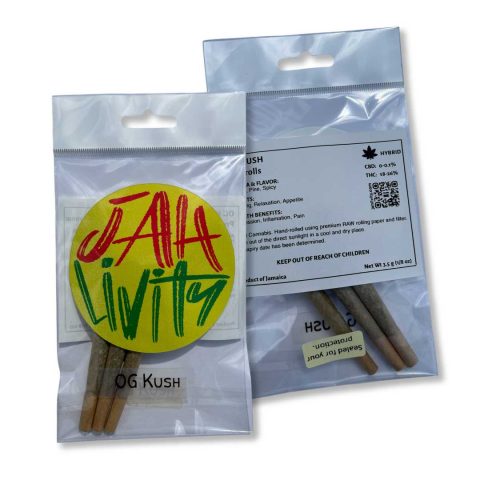
So roll yuhself a likkle something, take a seat, and let’s celebrate Marley’s ganja wisdom. And remember, if yuh waan feel di true Jamaican vibes, Jah Livity is here fi yuh. Check out di sacramental ganja and light up with Jah’s blessings! 🌿 ONE LOVE!
50 Bob Marley Quotes About Ganja, Life & Livity.
1. “Herb teach you to find yourself, mon.”
Ganja nuh just for vibes; it’s di mirror fi yuh soul, stripping away all di fluff and showing yuh di real yuh. Bob believed dat herb could lead yuh to look inward and discover who yuh truly are. Dat’s some powerful introspection right deh.
Bob Marley interview, 1978
2. “Herb? herb is the healing of the nation, seen? … The alcohol kill ya, and herb build ya!”
Bob draw a clear line between herb and alcohol. To him, ganja was something that could bring people together and encourage reasoning, while alcohol did the opposite. Herb build, alcohol break down — him never make any mystery about where him stand.
Bob Marley interview with Mumia Abu-Jamal, 1979
3. “Music and herb go together. It’s been a long time now I smoke herb. From 1960s, when I first start singing.”
For Bob, music and herb were part of di same livity. Him said him had been smoking herb from di early days of him singing, so di two travelled side by side through much of his journey as an artist. Ganja wasn’t just something separate from di music—it was part of di culture and way of life around it.
Bob Marley on music and herb — Marley Natural Jamaica
4. “Herb is a plant. I mean, herb so good for everything.”
Bob’s point was simple: herb is a plant. Him couldn’t understand why governments that claim dem want good fi people turn around and tell people dem cyaan use it. Before all di labels and arguments, ganja start with one plain fact—it grows from di earth.
Bob Marley interview, France, 1978
5. “The more you accept herb, the more you accept Rastafari.”
For Bob, herb and Rastafari couldn’t really be separated. Ganja wasn’t just something fi smoke—it was part of a spiritual livity built around reasoning, meditation, and a deeper connection with Jah. To overstand di herb was, in Bob’s view, to get closer to overstanding Rastafari itself.
Bob Marley interview with Dylan Taite, 1979
6. “Herb is the unification of mankind.”
Pass di herb, and walls break down. Ganja is di ultimate peacemaker, bringing people from different walks of life together. For Bob, herb was a bridge fi harmony and unity.
Bob Marley & herb — Marley Natural Jamaica
7. “The more people smoke herb, the more Babylon fall.”
Every spliff lighted is a protest against di oppressive system. Bob saw ganja as di weapon of choice in di fight for freedom, chipping away at Babylon one puff at a time.
Bob Marley: In His Own Words
8. “What really come first is Rastafari—herb come later, after ya start eat food…”
For Bob, ganja and Rastafari were connected, but him was clear about di order: Rastafari come first, herb come after. Dat distinction matter. Herb is part of di spiritual and cultural livity, but it was never meant fi define di whole faith.
Bob Marley interview, 1978
9. “God created herb for man mon.”
Jah nuh mek mistake. To Bob, herb was something natural—part of creation and there fi people to use with sense, respect, and gratitude. Him never preach foolish excess either; wisdom and giving thanks were part of di reasoning too.
Bob Marley interview, Ann Arbor, 1975
10. “Herb is more a consciousness.”
Herb is like yuh spiritual GPS, leading yuh to higher consciousness and deeper understanding of di world around yuh. It’s no ordinary plant—it’s a guide fi di soul.
Bob Marley interview with Dylan Taite, 1979
11. “You’re worried and confused and you don’t have time to think. Herb is there so you can take a little time for yourself so you can live.”
Di herb is dat loyal bredren who never leave yuh side. Whether yuh stress or joyful, ganja bring peace and calm to di storm in yuh life.
Bob Marley speaks about herb and slowing down
12. “Don’t gain the world and lose your soul; wisdom is better than silver and gold.”
Dis one nuh really about herb at all. Bob’s message was bigger: don’t trade yuh soul fi money, status, or material things. Wisdom worth more than silver and gold, and dat kind of livity run right through him music.
“Zion Train” — Bob Marley & The Wailers
13. “Possession make you rich? I don’t have that type of richness. My richness is life, forever.”
Bob never measure richness by money or possessions. To him, life itself was di real wealth—the chance fi live with purpose, people, music, and meaning. Nuff people spend dem whole life chasing more and miss di richness dem already have.
Bob Marley interview, 60 Minutes Australia, 1979

14. “Righteousness cover de earth like water cover de sea.”
Bob’s reasoning always come back to Jah, nature, and righteousness. In this interview him talk about getting out among di green trees, watching di miracles happening outside, and living closer to di earth. For Bob, spirituality wasn’t something locked inside four walls—it was all around yuh.
Bob Marley interview with High Times, 1976
15. “One good thing about music, when it hits you, you feel no pain.”
Bob knew music could reach places ordinary words couldn’t. A good tune could lift yuh spirit, carry a message, and make even di hard times feel a likkle lighter. No wonder reggae become one of Jamaica’s greatest gifts to di world.
“Trenchtown Rock” — Bob Marley & The Wailers
16. “Herb should not be used only for jollification … but for head-cation.”
Bob wasn’t saying herb cyaan come with good vibes and laughter. Him point was that it shouldn’t stop there. Herb could also be part of reasoning, reflection, and what him jokingly call “head-cation”—a likkle education fi di mind as well as enjoyment fi di spirit.
Bob Marley on “head-cation” — Rock Music Studies
17. “No, these people shouldn’t smoke herb, because them gonna live too good, and then we no got no power.”
Dat reasoning help explain why Bob saw Babylon as being so threatened by herb. In him view, a system built on control wouldn’t exactly welcome something that mek people slow down, reason, and think fi themselves. Herb open yuh mind, and dat terrify Babylon. A thinking mind is a free mind, and ganja help yuh break di chains.
Bob Marley interview, Ann Arbor, 1975
18. “Me don’ have time to be in building all de while, when de miracles happening all de while outside.”
Bob had no interest in spending all him time boxed up inside. Him wanted green grass, trees, sky, and room fi notice di miracles happening outside. Sometimes living in di moment really is dat simple: step out, slow down, and pay attention to what Jah put right in front of yuh.
Bob Marley interview with High Times, 1976
-
Buy Now This product has multiple variants. The options may be chosen on the product page

Ganja Oil – THC + CBD Oil
🌿 THC+CBD Ganja Oil – Balanced Drops, Everyday …$50.00 Buy Now This product has multiple variants. The options may be chosen on the product page -
Buy Now This product has multiple variants. The options may be chosen on the product page
THC Vape Cart
Step into pure island elevation wid Jah Livity’s …$55.00 Buy Now This product has multiple variants. The options may be chosen on the product page -
-
Buy Now This product has multiple variants. The options may be chosen on the product page
Ganja Gummies
Satisfy your sweet tooth and elevate your mind …Price range: $30.00 through $40.00 Buy Now This product has multiple variants. The options may be chosen on the product page -
Buy Now This product has multiple variants. The options may be chosen on the product page
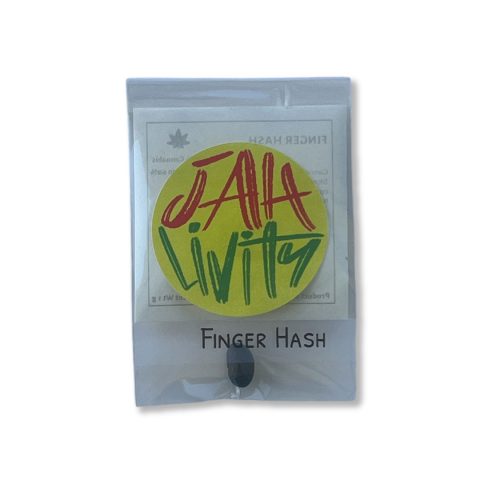
Finger Hash
Step into di rich history of cannabis wid …Price range: $35.00 through $150.00 Buy Now This product has multiple variants. The options may be chosen on the product page



19. “The only law which is law is the law of life. The law how fi live.”
Bob’s idea of wisdom wasn’t about collecting rules or sounding clever. For him, di real law was learning how fi live—close to Jah, close to di earth, and with enough overstanding fi know what really matter. Dat kind of wisdom come from livity, not just words.
Bob Marley interview with Neville Willoughby, 1973
20. “Every little thing gonna be alright.”
Some Bob Marley words nuh need plenty explanation. Life bring worry, pressure, and days when nothing seem fi line up right—but yuh still haffi breathe, trust di journey, and keep moving. Sometimes a simple reminder dat everything can work itself out is exactly what di spirit need.
“Three Little Birds” — Bob Marley & The Wailers
21. “If when ya plant it, if ya meditation not high, it don’t come like de right type of herb.”
Even growing herb has a spiritual side. Bob reasoned that di mindset and meditation around di plant mattered too—not just soil, sun, and water. Whether yuh take that literally or spiritually, it shows how deeply herb, nature, and consciousness are connected in Rastafari livity.
Bob Marley interview with High Times, 1976
22. “Open your eyes and look within. Are you satisfied with the life you’re living?”
Bob was always pushing people fi look deeper—not just at di world around dem, but inside demself too. Before yuh blame Babylon, society, or anybody else, tek a look within and ask one simple question: are yuh really satisfied with di life yuh living?
“Exodus” — Bob Marley & The Wailers
23. “So herb is a sacrament. Herb reveal yourself to you.”
Bob never reason about herb as just something fi smoke. In Rastafari livity, herb is sacrament—a natural aid to meditation and conscience, something that can mek yuh look inward and reason more deeply with Jah.
Bob Marley interview with Nelson George, 1980
24. “One’s supposed to smoke herb freely and be free.”
Bob connected herb with freedom in a very direct way. To him, people should be able fi use herb without fear and reason for themselves without Babylon deciding every move. Di freedom him talk about was bigger than one spliff—it was about living with more independence and less control.
Bob Marley interview, Ann Arbor, 1975
25. “Poverty, y’know, it’s not dat. De type a help Africa need is unity.”
Bob never reduce struggle to money alone. When him reason about Africa, him point was that real help had to go deeper than charity. People need unity, connection, and a shared sense of purpose. Poverty matter, but without unity, Babylon still find plenty ways fi keep people divided.
Bob Marley interview with High Times, 1976
26. “Puss and dog they get together. What’s wrong with loving one another?”
Bob never only sing about peace—him put himself right inna di middle of it. At Jamaica’s 1978 One Love Peace Concert, him brought political rivals together onstage and challenged everybody with one simple question: if puss and dog can get along, what wrong with people loving one another? Sometimes di deepest reasoning really nuh need plenty words.
Bob Marley at the One Love Peace Concert, 1978
27. “This type of rhythm, it’s earth rhythm, roots!”
Bob saw reggae as more than a beat fi dance to. Him called it earth rhythm—roots—something tied to creation, Jamaica, and Rastafari. Di rhythm carry pride, spirit, and history all at once, which is why Bob believed reggae could travel anywhere and still keep its roots.
Bob Marley interview with Fikisha Cumbo, 1975
28. “Excuse me while I light my spliff.”
Bob never hide herb behind fancy language—sometimes him put it straight into di music. “Easy Skanking” opens with one of di most casual ganja lines in reggae history, like lighting a spliff was simply part of di rhythm of everyday life. No speech, no apology, just Bob being Bob.
“Easy Skanking” — Bob Marley & The Wailers

29. “Reggae is one of the ways, if the lyrics deal with the truth. The music is one way to communicate.”
Bob saw reggae as more than entertainment—it was a way fi carry truth from one person to di next. Music open di door, di message travel through it, and before long one person tell another. Dat’s how reasoning spread: each one teach one, and di music keep moving.
Bob Marley’s final interview, 1980
30. “I come from country, and country is always good. You grow everything.”
Bob never forget where him come from. Country life meant land, food, self-reliance, and knowing yuh can provide plenty of what yuh need with yuh own two hands. Long before “sustainable living” become a fancy phrase, people in Jamaica already know: if yuh have good earth and know how fi work it, yuh richer than yuh might think.
Bob Marley interview with Vivien Goldman, 1979
31. “What important is man should live in righteousness, in natural love for mankind.”
Bob’s idea of a better world wasn’t complicated: live right and carry natural love fi people. Nuh matter how much noise Babylon make, righteousness and genuine care for mankind still come back to di centre. Sometimes di biggest truths are di simplest ones.
Bob Marley interview with Karl Dallas, 1975
32. “Get up, stand up. Stand up for your right.”
Bob’s resistance message never depend on sitting around waiting fi freedom to arrive. If something wrong, stand up. If yuh rights under pressure, defend dem. Babylon might be loud, but change still start when ordinary people decide dem nah stay quiet anymore.
“Get Up, Stand Up” — Bob Marley & The Wailers
33. “The road of life is rocky and you may stumble too, so while you talk about me, someone else is judgin’ you.”
Bob’s message here is pure humility: before yuh get too comfortable judging somebody else, remember yuh own road have potholes too. Everybody stumble somewhere along di journey. A likkle patience, compassion, and self-reflection can save plenty unnecessary finger-pointing.
“Judge Not” — Bob Marley
34. “If we come from a different planet, we could never come together. But we all come from the same father. That is why it is possible to come together.”
Bob’s reasoning was simple: underneath all di labels, divisions, and foolishness people build between one another, we still come from di same source. If wi remember dat, unity stop looking impossible. Different paths, different places, same human family.
Bob Marley interview with Hot Press, 1978
35. “All dese governments and dis this and that, these people that say they’re here to help, why them say you cannot smoke the herb? … All them say is, ‘it make you rebel’. Against what?”
Bob challenged di contradiction straight on. If government claim dem there fi help people, why criminalize a plant simply because it might mek somebody question di system? And when dem say herb make people rebel, Bob’s answer was beautifully simple: rebel against what? Sometimes one likkle question can expose a whole heap of foolishness.
Bob Marley interview with Dylan Taite, 1979
36. “You see, the song comes through inspiration. Then it comes out on paper. Inspiration come from Jah.”
Bob didn’t talk about inspiration like it was something him could manufacture on demand. To him, di song come through first, then eventually find its way onto paper. And the source of that inspiration? Jah. Simple reasoning, but it tells yuh plenty about how Bob understood creativity—as something received, not just produced.
The Future Is the Beginning — The Words and Wisdom of Bob Marley

37. “To me the word love is God. That is my meaning of love – is God.”
Bob didn’t treat love as just romance or sweet words. To him, love went right back to Jah. If God is love, then how yuh treat people, how yuh carry yourself, and how yuh move through di world all become part of di same spiritual reasoning.
Bob Marley interview with Hot Press, 1978
38. “My music will go on forever. Maybe it’s a fool say that, but when me know facts me can say facts. My music will go on forever.”
Bob had plenty confidence in what him created—not empty boasting, but a belief that truth and good music could outlive trends, charts, and promotion. Decades later, reggae still circle di globe and Bob’s songs still find new ears every day. Sometimes di work really does speak fi itself.
Bob Marley: In His Own Words
39. “To make music is a life that I have to live. Sometimes you have to fight with music.”
For Bob, music wasn’t something separate from everyday life. Him lived it, struggled through it, learned through it, and carried the message inside it. Reggae wasn’t just something fi perform onstage—it grew out of di life him was actually living.
Bob Marley interview with Vivien Goldman, 1979
40. “When one door is closed, many more is open.”
A closed door can feel like di whole road block, but Bob’s message was bigger than that. One setback nuh mean di journey done. Sometimes what look like an ending is just life pushing yuh toward another opening—and maybe more than one. Keep yuh head up and keep moving.
“Coming In from the Cold” — Bob Marley & The Wailers
41. “Emancipate yourselves from mental slavery. None but ourselves can free our minds.”
Some words get bigger every time dem travel. Bob turned Marcus Garvey’s reasoning about mental slavery into one of reggae’s most powerful calls for freedom. Chains don’t always show on di outside; sometimes di hardest ones fi break are inside di mind. And while somebody else might open a door for yuh, Bob’s message was clear: real freedom still require yuh to step through it yourself.
“Redemption Song” — Bob Marley & The Wailers
42. “Don’t let them fool ya, or even try to school ya… We’ve got a mind of our own.”
Bob never encourage people fi hand over dem thinking to somebody else. Listen, learn, reason—but keep yuh own mind. Babylon can dress up nonsense in plenty fancy clothes, but if something nuh sit right with yuh spirit, yuh still have a responsibility fi think for yourself.
“Could You Be Loved” — Bob Marley & The Wailers
43. “In the abundance of water, the fool is thirsty.”
Dis one sound like pure Jamaican old-yard wisdom because it carry that proverb-style truth in just a few words. Yuh can be surrounded by plenty and still miss what yuh need if yuh lack awareness. Bob made the line famous through “Rat Race,” but the song’s published writing credits have long been inconsistent, with Rita Marley credited in several listings—so she deserve her flowers here too.
“Rat Race” — Bob Marley & The Wailers
44. “Every man gotta right to decide his own destiny.”
Bob’s freedom message wasn’t abstract here. “Zimbabwe” was written for people fighting to decide dem own future, and Bob carried that message all di way to Zimbabwe’s independence celebration in 1980. Everybody deserve a say in dem own destiny—whether yuh talking about one person, one people, or one whole nation.
“Zimbabwe” — Bob Marley & The Wailers
45. “We refuse to be what you wanted us to be. We are what we are. That’s the way it’s going to be.”
Somebody else can try fi label yuh, shape yuh, or decide where yuh belong—but that doesn’t mean yuh have to accept it. In the song “Babylon System,” Bob draws a hard line: stand firm in who yuh are, even when the system would rather define yuh for itself.
“Babylon System” — Bob Marley & The Wailers
46. “We, Jah people, can make it work. Come together and make it work.”
Everything moves forward when people stop pulling in different directions. “Work” carries that simple reasoning: come together, do yuh part, and keep at it. Real unity is more than talk—it takes effort, responsibility, and everybody putting dem shoulder to di wheel. If wi want better, wi haffi build it together.
“Work” — Bob Marley & The Wailers
47. “I only have one thing I’d really like to see happen. I’d like to see mankind live together.”
Strip away all di fame, records, tours, and everything people associate with Bob Marley, and this was one of di things him wanted most: people learning fi live together. Different colour, different background, different place—none of that should stop mankind from sharing one world. Simple dream, hard work, still unfinished.
Bob Marley — historical interview recording
48. “In this great future, you can’t forget your past.”
Yuh can look forward without pretending di past never happen. “No Woman, No Cry” carries memories of Trenchtown, good people met, good people lost, and lessons carried along di way. The song is officially credited to Vincent Ford as songwriter, while Bob’s performance carried these words around the world. Progress matter—but if yuh forget where yuh come from, it easy fi lose sight of where yuh going.
“No Woman, No Cry” — Live at the Lyceum, 1975
49. “You running and you running, but you can’t run away from yourself.”
Yuh can change jobs, towns, relationships, even whole countries—but wherever yuh go, yuh still carry yourself with yuh. “Running Away” cuts straight through di excuses: sooner or later, yuh haffi face whatever inside yuh that keep following along. Some journeys need a plane ticket; this one need honesty—and maybe a spliff.
“Running Away” — Bob Marley & The Wailers
50. “One love, one heart. Let’s get together and feel all right.”
After fifty quotes, there really could only be one place fi end. “One Love” took a Jamaican call for unity and carried it around di world. The familiar version also weaves in Curtis Mayfield’s “People Get Ready,” so both men receive songwriting credit. Different people, different histories, same simple invitation: come together, drop some of di foolishness, and feel all right.
“One Love / People Get Ready” — Bob Marley & The Wailers
One Love, One Herb: Bob’s Everlasting Wisdom
Bob Marley nuh just smoke herb he celebrated it as a way fi connect wid Jah, discover truth, and bring people together. His words show us how ganja, when used responsibly and respectfully, can elevate di spirit, nurture wisdom, and strengthen our bond wid nature.
At Jah Livity, we honor Bob’s legacy by offering di finest sacramental ganja fi enhance yuh meditation and spiritual journey. Whether yuh a Rasta, reggae lover, or simply curious ‘bout di culture, let Bob’s wisdom guide yuh to a higher state of being. And remember, di herb is not just a plant—it’s a gift from Jah.

One Love and Irie Vibes, mi fren! 🌿