Guinea Hen Weed: Old-Time Jamaican Healing
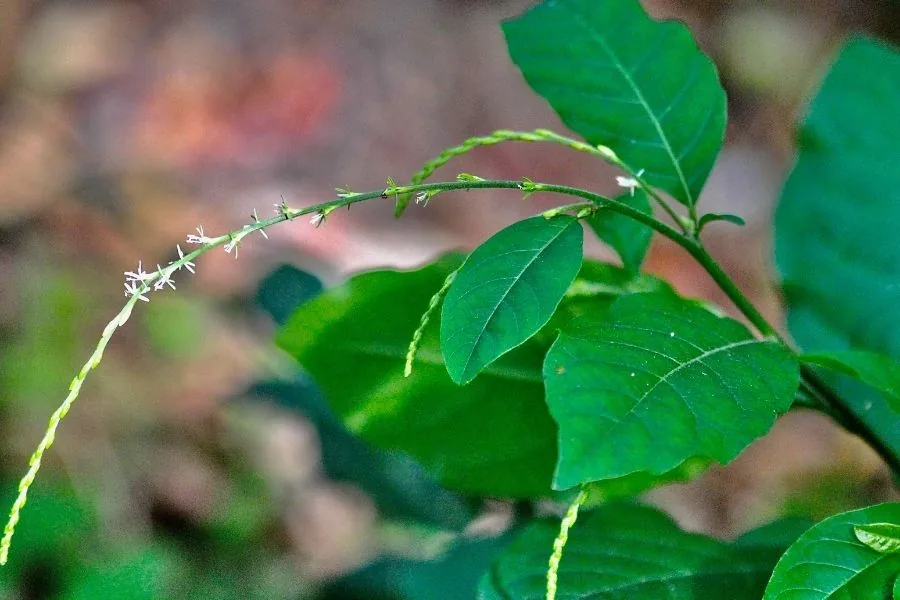
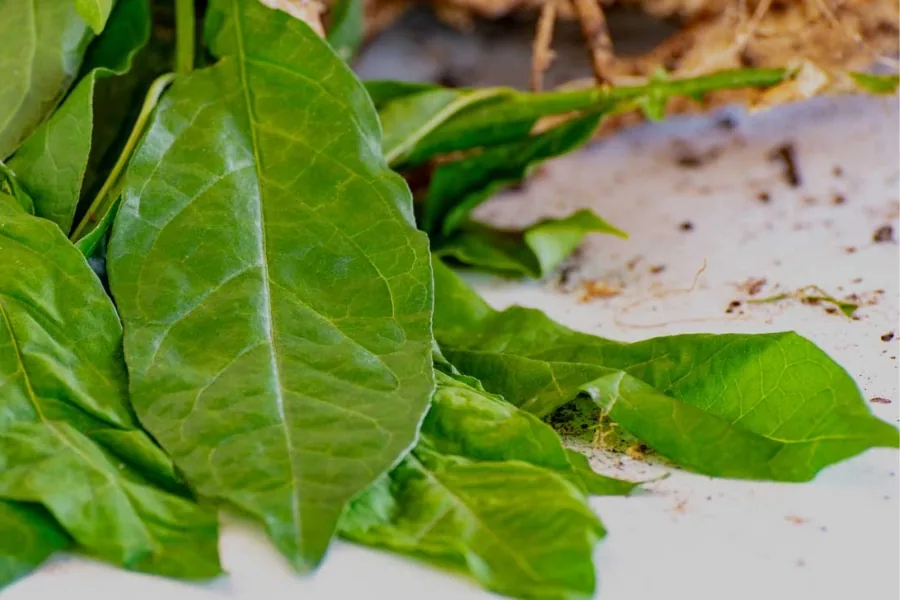
Guinea Hen Weed has long held a respected place in Jamaican bush medicine. Known locally as garlic weed and scientifically as Petiveria alliacea, this strong-smelling herb grows in wild patches across di island. From Kingston to Portland, people pick it fresh from yard corners, bush tracks, or roadways fi brew into tea or apply to di skin. Jamaican elders use it fi deal with fever, sinus, inflammation, and even spiritual clearing. It carry a sharp garlic scent and bitter taste, both signs of strength in bush tradition. More than just a home remedy, Guinea Hen Weed reflect a way of life that trust di land fi healing and guidance.
Traditional Jamaican Uses
Across Jamaica, Guinea Hen Weed is known fi being a multipurpose plant:
- Fever and flu: A common use is steeping di leaves or root in hot water fi drink as tea. It help reduce fever, relieve congestion, and push out cold from di body.
- Sinus and headache: Di steam from boiling di plant is inhaled to help clear up sinus issues or pressure in di head.
- Pain and swelling: Fresh leaves get crushed and rubbed on sore joints, or turned into poultice fi ease arthritis or sprains.
- Digestive issues: When stomach feel upset, people sip it slowly to relieve gas, bloating, or sluggish digestion.
- Spiritual protection: Some elders bun di dried leaves or use it in washout blends to cleanse bad energy from home or spirit.
How It’s Prepared
Preparation is simple but effective, passed down through generations:
- Tea: Leaves and roots boiled for 10–15 minutes, then strained and sipped. Some add ginger or lime to soften di taste.
- Steam bath: Leaves boiled in pot, then towel placed over head fi inhale di steam. Good fi congestion or head pressure.
- Poultice: Crushed fresh leaves wrapped in cloth or placed direct on skin to pull out pain and swelling.
Modern Research
Scientific studies back up many traditional claims:
- Jamaican researchers have documented Guinea Hen Weed’s anti-inflammatory and antimicrobial properties.
- It show promise in managing blood sugar levels and easing chronic pain.
- One local study even earned a U.S. patent for its potential effects against cancer cells, highlighting its global interest.
But like any strong herb, dosage and timing matter. It’s not recommended fi pregnant women or people taking certain medications. That’s why traditional use always involve reasoning and respect.
Where It Grows
This hardy plant thrive in dry soil, sun or partial shade. Yuh find it in:
- Backyard gardens
- Hillsides and roadside edges
- Old family farms
- Anywhere yuh find bush
Herbalists often grow it intentionally or keep wild patches alive. It’s a staple in many Ital and Rasta gardens.
Cultural Significance
Guinea Hen Weed isn’t just medicine. It’s tied to Jamaican identity, especially in rural life. Many Rasta and bush doctors view it as a protective plant—both physical and spiritual. It’s included in washout routines, Ital stews, and even ceremonial smoke blends. Used with reverence, it remind people of di power in nature and di wisdom of elders who still teach yuh how fi use it right.
-
Buy Now This product has multiple variants. The options may be chosen on the product page
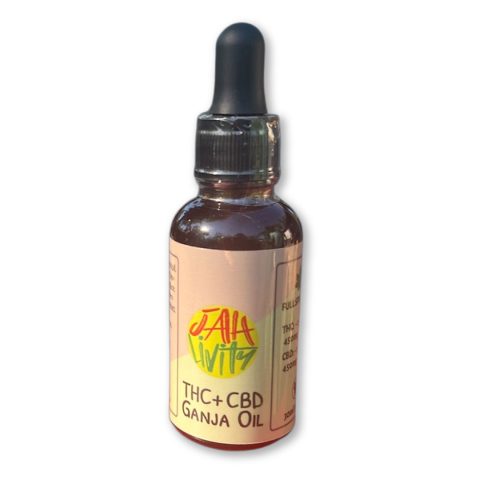
Ganja Oil – THC + CBD Oil
🌿 THC+CBD Ganja Oil – Balanced Drops, Everyday …$50.00 Buy Now This product has multiple variants. The options may be chosen on the product page -
Buy Now This product has multiple variants. The options may be chosen on the product page
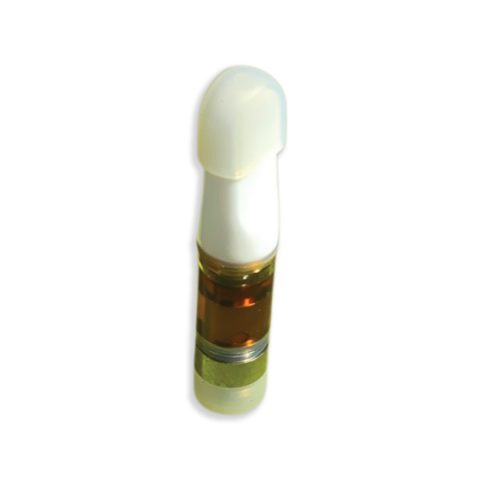
THC Vape Cart
Step into pure island elevation wid Jah Livity’s …$55.00 Buy Now This product has multiple variants. The options may be chosen on the product page -
-
Buy Now This product has multiple variants. The options may be chosen on the product page
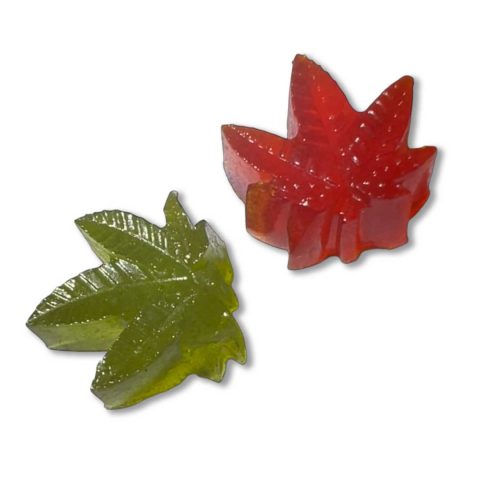
Ganja Gummies
Satisfy your sweet tooth and elevate your mind …Price range: $30.00 through $40.00 Buy Now This product has multiple variants. The options may be chosen on the product page -
Buy Now This product has multiple variants. The options may be chosen on the product page
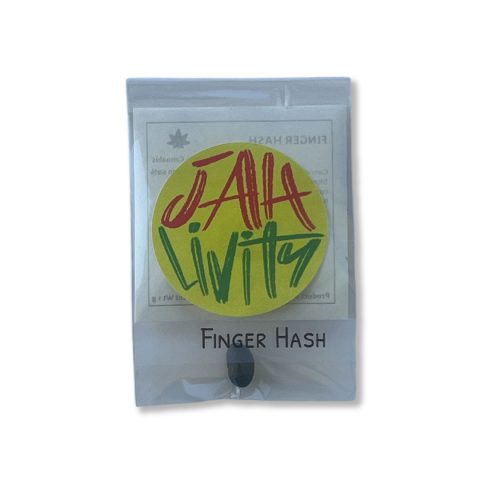
Finger Hash
Step into di rich history of cannabis wid …Price range: $35.00 through $150.00 Buy Now This product has multiple variants. The options may be chosen on the product page
Jah Livity FAQ’s
What’s Jah Livity all about?
Jah Livity is a trusted Negril dispensary offering cannabis delivery in Negril. Wi provide sacramental ganja certified under EABICCS, ensuring high-quality, authentic herb fi spiritual and recreational use.
Can I legally buy cannabis from Jah Livity in Jamaica?
Yah man! Jah Livity operates legally under EABICCS certification, making it safe fi locals and tourists aged 18 and older to purchase and enjoy ganja.
How do I order from Jah Livity?
Visit Jah Livity’s Online Negril Dispensary. Orders are delivered in 30 minutes to Negril and surrounding areas, or within 2 hours fi larger orders to hotels like Sandals South Coast or Grand Palladium.
What payment methods does Jah Livity accept?
Wi keep tings simple—cash pon weed delivery in Negril. Quick, secure, and hassle-free cannabis delivery in Negril.
Does Jah Livity support local Rastafarian communities?
Absolutely! Jah Livity Online Negril Dispensary is committed to cultural preservation and supports local farmers and Rastafarian communities with every purchase.
Can tourists buy herb in Jamaica?
Yes! Tourists aged 18 and over can legally enjoy ganja in Jamaica. Mek sure yuh get di best weed in Negril, always choose trusted providers like Jah Livity.
What other products can I order from Jah Livity?
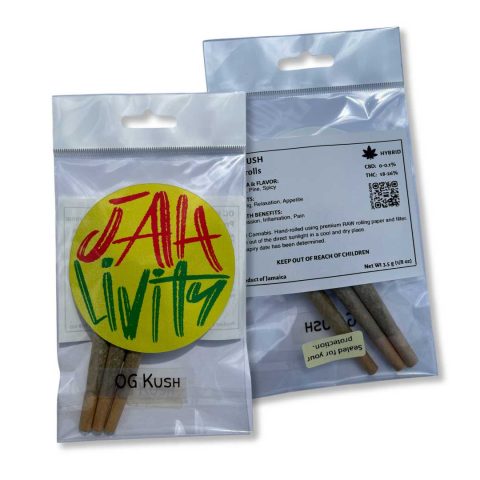
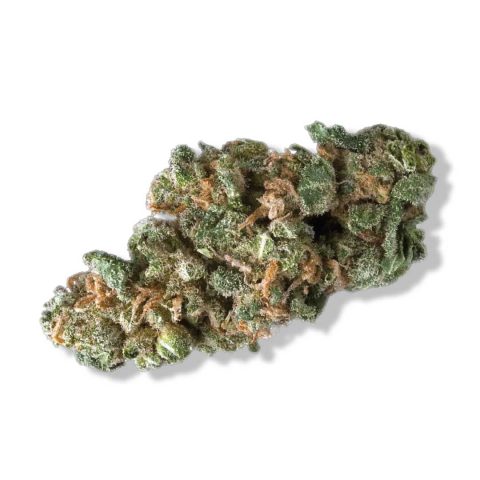
We offer Flower, Pre-Rolls, Ganja Gummies, Ganja Oil, Finger Hash, Full Spectrum Vapes, and a range of accessories.
How do I choose the right strain from Jah Livity?
Jah Livity offers some of di best weed in Negril, available in a wide variety of strains—including calming Indicas, uplifting Sativas, and balanced hybrids. To find out what we have in our Online Negril Dispensary today, browse Our Shop or reach out to di Jah Livity team fi personalized advice.
Still got questions? Visit di FAQ page.
Respect and Blessings!