What Does Emancipation Day in Jamaica Really Mean
Emancipation Day in Jamaica mark one of the most important turning points in di island’s history. Every year on August 1st, Jamaicans pause to remember di official end of slavery across the British Empire—and fi honour di lives, resistance, and strength of di African ancestors who fight long before freedom get written into law.
This is not just a date in di calendar. It’s a national reckoning. A day of memory. A time fi reflect on weh Jamaica come from and who still benefit from dat history today.
Di Path to Emancipation
On August 1, 1834, slavery legally end in Jamaica. But freedom never come clean or easy. Under di Slavery Abolition Act, Britain free over 300,000 enslaved Africans in Jamaica—but force dem into an “apprenticeship” system where dem still had to work for free on di same plantations, under di same planters, for four more years.
True emancipation never reach until August 1, 1838. That’s when full freedom take effect and Africans in Jamaica officially step out of bondage.
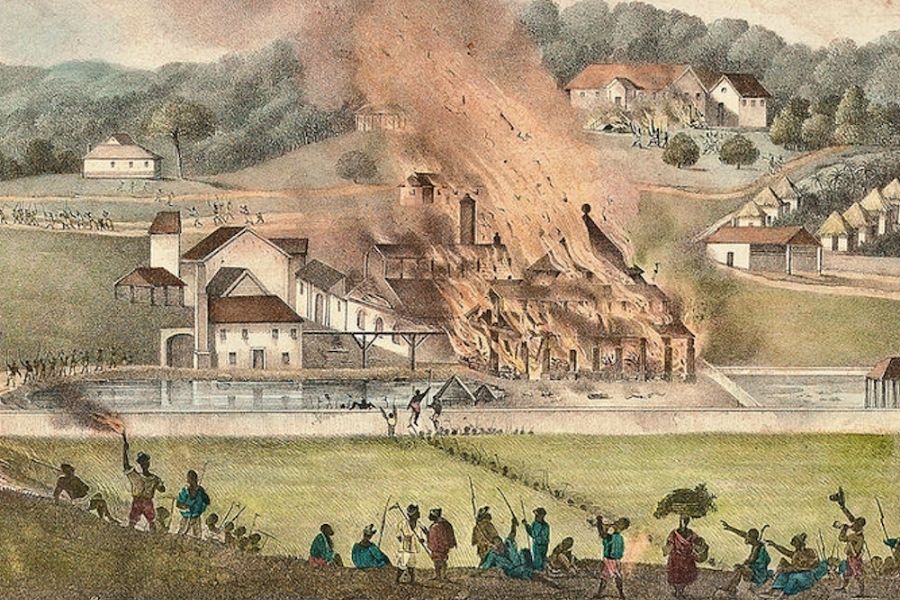
Even so, emancipation never come from kindness. It come from struggle. From African rebellion, from Jamaican resistance, and from moral pressure applied by people across the world who expose di system fi what it was. No part of this story soft.
People Wi Must Remember
Freedom come from action. Jamaica remember di people who refuse fi accept slavery, even when it cost dem life. Some names are etched in history, some still live quiet in community memory.
- Queen Nanny of the Maroons
Spiritual leader and guerilla tactician. She fight British troops in di 1700s and defend African sovereignty in di hills. Nanny prove dat freedom could be defended and maintained long before abolition. - Tacky
Former Akan chief who lead one of di most significant uprisings in 1760. Di rebellion stretch across St. Mary and inspire resistance across parishes—even after it was put down. - Samuel Sharpe
Baptist deacon and organizer of di 1831 Christmas Rebellion. His planned strike turn into Jamaica’s largest uprising under slavery. Sharpe was hanged in 1832, but di pressure it bring help end slavery. - Paul Bogle
Bogle lead di 1865 Morant Bay Rebellion, fighting for justice long after emancipation. He walk miles to advocate for land reform and was executed fi standing with his people. - George William Gordon
Free man of colour, landowner, and politician who support Bogle and call out injustice from inside di system. He too was hanged—but later honoured as national hero. - William Knibb
British Baptist missionary who expose slavery’s cruelty to Parliament, protect freed people from retribution, and help build independent communities like Granville.
These names only scratch di surface. Every district in Jamaica have ancestors who resist, teach, hide fugitives, or speak truth.
It nah possible to name every elder, rebel, and freedom fighter who help push Jamaica toward liberation. But these a few of di most notable figures wi hold up as example and remembrance.
Life After Slavery
When slavery end, no one hand out land, money, or compensation to the African families who build di economy. Instead, plantation owners get paid for “loss of property”—millions of pounds from the British government. Meanwhile, freed Jamaicans had to start life again with nothing but strength, skill, and community.
Out of this came the rise of free villages like Sligoville, set up so people could live independent from the estates. People form churches, schools, small farms, and family networks. That’s where the real rebuilding begin.
How Jamaica Honour the Day
Today, Emancipation Day in Jamaica is observed across the island with formal events, cultural celebrations, and community reflection. These include:
- Sunrise ceremonies, like the one in Spanish Town, where the Emancipation Declaration is read aloud in front of the Old King’s House ruins.
- Cultural parades and pageantry, especially during Emancipendence Week, which runs from August 1 to Independence Day on August 6.
- Performances and storytelling, where traditions like drumming, Jonkonnu, and Bruckins remind people of how African culture survive and grow in Jamaica.
- Art and symbolism, such as the “Redemption Song” statue at Emancipation Park in Kingston. The statue stands tall as a tribute to strength, memory, and future vision.
In these moments, people don’t just celebrate. They honour.
Emancipation Day in Jamaica Today
The legacy of slavery still shape life today. It echo through land inequality, systemic poverty, and generational trauma. But Emancipation Day stand as a yearly marker—a time to acknowledge dat history, respect di people who endure it, and remind di next generation dat freedom always come with responsibility.
If Yuh Deh Pon Di Island
If yuh visiting Jamaica during Emancipation season, tek time fi connect to di real side of the island. Go beyond di beach. Go visit a heritage site. Watch a ceremony. Reason with people. Learn about di roots.
Jamaica nuh build overnight—and di strength that rise outta slavery still live in di land, di culture, and di people. When yuh understand dat, yuh start fi see di island different.
-
-
Buy Now This product has multiple variants. The options may be chosen on the product page
Ganja Gummies
Satisfy your sweet tooth and elevate your mind …Price range: $30.00 through $40.00 Buy Now This product has multiple variants. The options may be chosen on the product page -