The Making of a National Hero
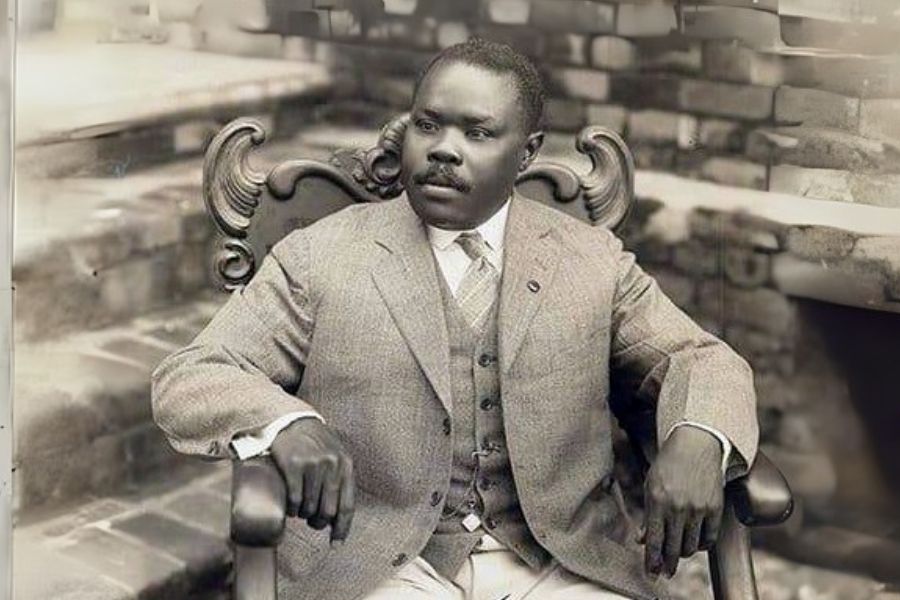
On August 17, 1887, in the parish of St. Ann, Jamaica, Marcus Garvey was born. From humble beginnings, he rose to become a National Hero, a political organizer, and a voice for millions of African descendants across the world. His ideas continue to shape Jamaican culture, influence the Rastafari faith, and inspire people who see freedom not only as the absence of chains, but as the liberation of the mind.
Garvey’s life is defined by more than slogans. He was a publisher, a leader, and the architect of one of the most ambitious movements in modern history. His words and work still echo in conversations about Pan-Africanism and Black liberation in Jamaican history.
Early Life and Roots in St. Ann’s Bay
Marcus Garvey grew up in St. Ann’s Bay, a coastal town with a mix of fishermen, traders, and small farmers. From an early age, he loved to read and learn. His father kept a library that introduced young Garvey to history, philosophy, and culture. Those books planted the seeds of his future mission: the belief that knowledge of self and one’s past is the foundation of true freedom.
By his late teens, Garvey worked as a printer’s apprentice in Kingston, gaining skills in writing, publishing, and organization. He began to see firsthand the struggles of Jamaica’s poor and the racial divisions that held people back. These experiences sharpened his commitment to uplift Black people and to call for unity.
Building the UNIA Movement
In 1914, Garvey founded the Universal Negro Improvement Association (UNIA). What began as a small group in Kingston grew into a global movement with branches in the Caribbean, North America, Africa, and Europe. At its peak, the UNIA claimed millions of members and became one of the largest mass organizations of African people in history.
Through newspapers like the Negro World and mass rallies that filled stadiums, Garvey spread a bold vision: “Africa for the Africans, at home and abroad.” He called for economic independence, the celebration of African heritage, and the building of institutions controlled by Black people themselves.
Garvey also organized Black-owned businesses, shipping ventures, and community programs. His dream of self-reliance laid the groundwork for later independence struggles across the Caribbean and Africa.
Media and Publishing: The Negro World
Garvey understood the power of information. In 1918, he launched the Negro World newspaper, which quickly became the voice of the UNIA. Printed in Harlem and distributed internationally, the paper reached readers across the Caribbean, Latin America, Africa, and Black communities in North America.
The Negro World featured editorials, political analysis, poetry, and stories of African achievement. It was banned in many colonies because colonial governments feared its influence, yet it continued to circulate secretly, carried by sailors and travelers who smuggled it into ports. This paper helped spread Garvey’s message of pride, unity, and self-reliance to people far beyond Jamaica.
The Black Star Line
In 1919, Garvey established the Black Star Line, a steamship company created to promote trade and travel among people of African descent worldwide. The venture was both symbolic and practical. It gave tangible form to the idea of economic independence and provided a vision of Africans controlling their own shipping and business networks.
Although the Black Star Line faced financial troubles and eventually collapsed, it remains one of Garvey’s most iconic accomplishments. The ships became symbols of pride and were celebrated in songs, poems, and speeches throughout the African diaspora. The company showed that Garvey was not only a visionary but also a man determined to put vision into action.
Politics in Jamaica: The People’s Political Party
When Garvey returned to Jamaica, he turned his attention to politics on the island. In 1929, he founded the People’s Political Party, Jamaica’s first modern political party.
The platform included progressive policies such as land reform to help small farmers, the introduction of minimum wage laws, and the expansion of educational opportunities. The party also called for improved public services and stronger support for the working class. Though it did not achieve electoral success, the People’s Political Party placed Garvey at the forefront of Jamaica’s early democratic development and showed his commitment to creating lasting change for ordinary people.
Teachings That Still Guide Us
Garvey’s words remain etched in both Jamaican speech and global thought. He declared: “A people without the knowledge of their past history, origin and culture is like a tree without roots.” He urged: “None but ourselves can free the mind.”
These teachings continue to shape identity and pride. They highlight that Jamaican culture forms part of a broader African heritage and show that self-confidence is essential in the face of global inequality.
Marcus Garvey and Rastafari
Rastafari hold Marcus Garvey as a prophet, a forerunner who pointed toward the coronation of Haile Selassie I in Ethiopia. Garvey’s call to “look to Africa” was interpreted as a spiritual message that prepared the way for Rastafari to see Selassie as divine.
This connection between Garvey and Rastafari also influenced reggae music. When Bob Marley sang “Emancipate yourselves from mental slavery” in “Redemption Song,” he was carrying Garvey’s words to the world stage. Through reggae, Garvey’s ideas reached millions who may never have read his speeches, embedding his legacy deep in Jamaican culture.
Black Liberation in Jamaican History
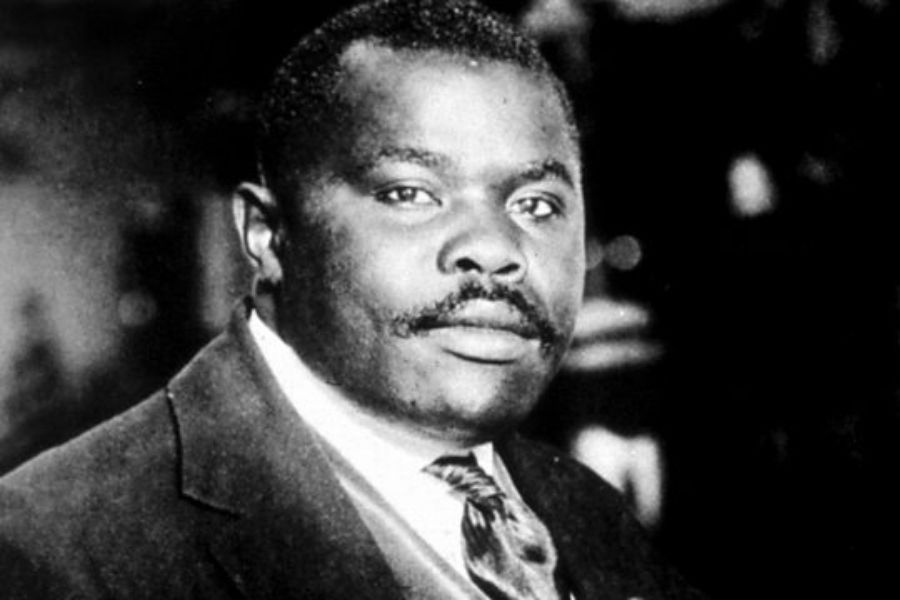
Garvey’s work stands within a long struggle for freedom in Jamaica. From the Maroons who resisted British rule in the 18th century, to the Morant Bay Rebellion led by Paul Bogle in 1865, Jamaica’s story is full of resistance and resilience. Garvey drew from that history while giving it a global voice.
By linking local struggles to a worldwide movement, Garvey expanded the meaning of liberation. He demonstrated that the fight in Jamaica formed part of the broader struggle of African people everywhere. His legacy makes him a bridge between past heroes and future generations still pressing for justice.
Global Influence on Pan-Africanism
Garvey’s reach went far beyond Jamaica and the Caribbean. His message inspired African leaders such as Kwame Nkrumah of Ghana and Jomo Kenyatta of Kenya, who later led their nations to independence. Garvey’s ideas also resonated with civil rights activists and Black Power leaders in the United States, where his emphasis on pride and self-reliance shaped generations of thinkers and organizers.
His call for Pan-African unity gave coherence to a worldwide movement. From Harlem to Accra, from Kingston to Nairobi, the cry of “Africa for the Africans” became a shared rallying point. Garvey’s vision of a united Africa continues to influence political thought and cultural expression today.
Celebrating His Legacy
Every year on August 17, Jamaicans mark Garvey’s birthday with tributes in St. Ann’s Bay, cultural events at Liberty Hall in Kingston, and educational programs in schools. Rastas gather with drums, chants, and reasoning sessions, keeping his spirit alive in community livity.
These celebrations are occasions for honoring history while also carrying forward Garvey’s mission — to live with dignity, build strong communities, and stand proud in African identity.
Garvey’s Vision Lives On
Marcus Garvey stands as more than a figure of the past. His life speaks to today’s challenges, showing that freedom begins with the mind and that unity is the key to progress.
On this Earthstrong, Marcus Garvey is honored as National Hero, Pan-African leader, and voice of Black liberation in Jamaican history. His vision continues to call for conscious living and the building of a future worthy of the ancestors