A Living Tradition at the Heart of Rastafarian Culture
In di heart of Rastafarian culture, few traditions hold more weight than di Nyabinghi. It’s a gathering, a form of worship, and a musical heartbeat that link Jamaica back to Africa. Through drumming, chanting, and reasoning, Nyabinghi ceremonies keep di faith strong, grounding communities in history and carrying di resistance to Babylon’s system. For visitors and locals alike, understanding Nyabinghi is a step toward understanding di foundation of Rastafari itself.
African Origins and di Name Nyabinghi
Di name “Nyabinghi” reach back to East Africa, where oral history speak of a respected woman leader, Queen Nyabinghi, who inspire anti-colonial resistance in di early 1900s. Her name, often translated as “she who possesses many things” or “mother of abundance”, became a rallying call fi movements resisting European rule in Uganda and Rwanda.
These African struggles resonate deeply with Jamaica’s early Rastafarians, who see in them a mirror of their own fight against oppression. By di 1940s, di word Nyabinghi was embraced in di movement as a symbol of unity, self-determination, and steadfast faith in Jah. Over time, it become both di name of di oldest Rastafari mansion, the Nyahbinghi Order, and di title for di ceremonial gatherings that form a vital part of Rasta life.
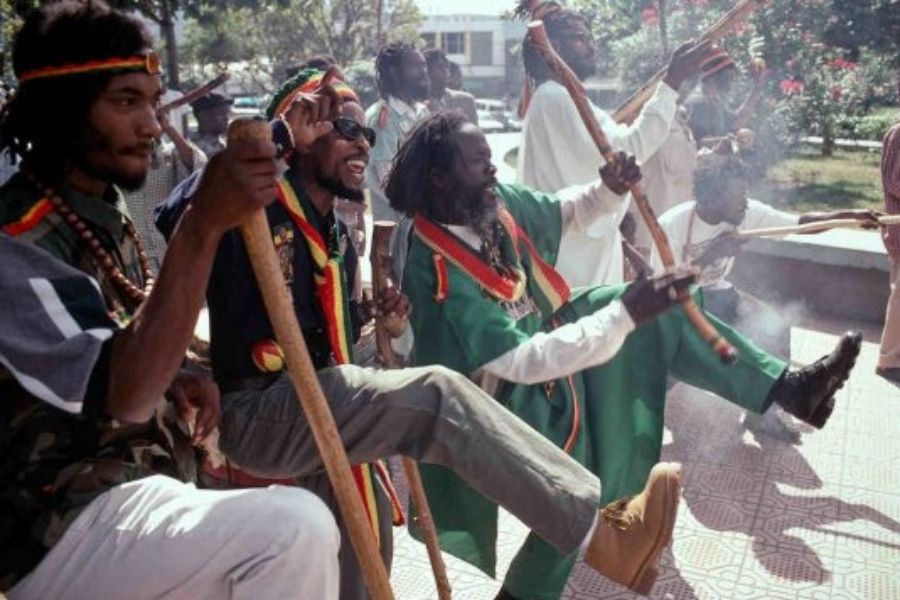
The Nyabinghi Order
Within Rastafarian culture, di Nyabinghi Order is known fi keeping close to di original livity. Members hold firm to di divinity of Emperor Haile Selassie I, di rejection of oppressive political systems, and di central focus on African liberation. Gatherings follow a set pattern of prayer, reasoning, and drumming, all carried by a deep political and cultural awareness, reminding everyone that Rasta stand for both faith and freedom.
The Order’s influence stretch far beyond its own members. Its ceremonies set di rhythm fi Rasta practice island-wide, and its music has shaped di global sound of Jamaica.
What Happens at a Nyabinghi Ceremony
A Nyabinghi is not a stage show fi entertainment, it’s a sacred coming together. The gatherings can last days, sometimes three or more, with continuous drumming and chanting. Elders, youth, and bredrin from near and far take part in di circle, which becomes a living space of worship, community justice, and shared Ital meals.
Ganja serve as a sacrament, passed in chalices hand to hand, opening di mind to reasoning and focusing thoughts on Jah. The chants mix psalms from di Bible with traditional Rasta hymns, many carrying coded messages about freedom, repatriation, and di fall of Babylon.
Nyabinghi ceremonies are called fi holy days in di Rasta calendar, to remember historic events like di coronation of Haile Selassie I, or to address urgent matters in di community.
-
Buy Now This product has multiple variants. The options may be chosen on the product page

Ganja Oil – THC + CBD Oil
🌿 THC+CBD Ganja Oil – Balanced Drops, Everyday …$50.00 Buy Now This product has multiple variants. The options may be chosen on the product page -
Buy Now This product has multiple variants. The options may be chosen on the product page
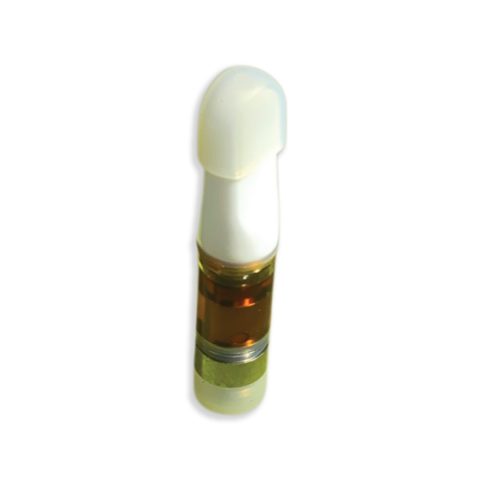
THC Vape Cart
Step into pure island elevation wid Jah Livity’s …$55.00 Buy Now This product has multiple variants. The options may be chosen on the product page -
-
Buy Now This product has multiple variants. The options may be chosen on the product page
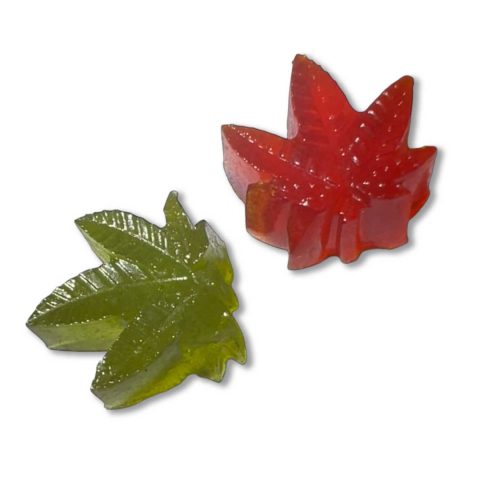
Ganja Gummies
Satisfy your sweet tooth and elevate your mind …Price range: $30.00 through $40.00 Buy Now This product has multiple variants. The options may be chosen on the product page -
Buy Now This product has multiple variants. The options may be chosen on the product page
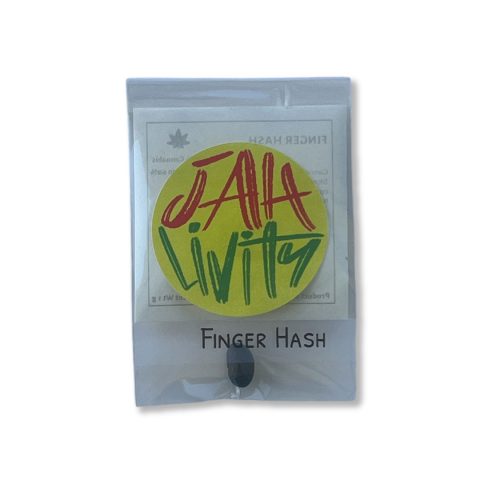
Finger Hash
Step into di rich history of cannabis wid …Price range: $35.00 through $150.00 Buy Now This product has multiple variants. The options may be chosen on the product page

The Drumming Heartbeat
At di center of every Nyabinghi is di music, a layered, polyrhythmic pulse made by three drums:
- Bass Drum – Di deepest voice in di circle, keeping a slow, steady heartbeat.
- Funde – The timekeeper, holding a constant rhythm that ground di chant.
- Repeater (Akete) – The lead drum, answering and accenting di voices with improvised phrases.
This drumming is African at its root, carrying patterns brought to Jamaica through traditions like Kumina. The sound is hypnotic, meditative but powerful enough to keep energy flowing all night.
Count Ossie, di legendary drummer from di Wareika Hills, was key in carrying Nyabinghi rhythms beyond di ceremonial space. In di 1950s and 60s, he start blending the heartbeat with jazz, ska, and early reggae, recording with icons like The Skatalites and The Wailers. That influence is still alive in roots reggae today.
African and Jamaican Fusion
Nyabinghi music show the African-Jamaican fusion at the core of Rastafarian culture. The drum patterns echo central and east African traditions, while the chants and ceremonial form reflect Jamaican Maroon heritage and African-derived faiths like Kumina and Revival.
This fusion is more than music, it’s a living record of history. Every beat and chant carry the memory of centuries of resistance, adaptation, and cultural survival. For Rastas, this is not just heritage, it’s a duty fi keep the roots alive fi di next generation.
Nyabinghi’s Role in Rastafarian Culture Today
In modern Jamaica, Nyabinghi gatherings take place both in rural camps and urban yards. They remain places of worship and community leadership, but also serve as cultural anchors fi younger Rastas and visitors who want to see the movement beyond di surface.
Roots reggae festivals sometimes feature Nyabinghi drummers on stage, but the real thing still live in the sacred space of the community circle. Some elements have been adapted fi performance, but true Nyabinghi remains a Rasta affair, welcoming guests, but rooted in faith.
In Negril’s Rasta community, Nyabinghi drumming is part of important cultural events, Ital gatherings, and reasonings in the hills or on the cliffs. The deep bass and steady funde travel far in the night breeze, drawing people toward di circle.
Why Nyabinghi Endures
Nyabinghi endure because it’s more than sound—it’s a structure for unity, a bridge to Africa, and a living statement that Rastafari culture will stand strong against dilution. It ties together the spiritual, political, and creative sides of Rastafari into one heartbeat.
For those who step into the circle, it’s a connection—to Jah, to di people, and to di deep memory of a nation that carry its identity through struggle and triumph.
Jah Livity FAQs
1. What’s Jah Livity all about? Do They Really Have the Best Weed In Jamaica?
Yes we do! Jah Livity is an online cannabis dispensary delivery service rooted in Rastafarian culture. Wi provide sacramental ganja certified under EABICCS, ensuring high-quality, authentic herb fi spiritual and recreational use.
2. Can I legally buy cannabis from Jah Livity in Jamaica?
Yah man! Link Our Shop Jah Livity operates legally under EABICCS certification, making it safe fi locals and tourists aged 18 and older to purchase and enjoy ganja.
3. How do I get cannabis delivery in Negril from Jah Livity?
Visit Jah Livity’s online shop. Orders are delivered in 30 minutes to Negril and surrounding areas, or within 2 hours fi larger orders to hotels like Sandals South Coast or Grand Palladium.
4. What payment methods does Jah Livity accept?
Wi keep tings simple, cash pon weed delivery. Quick, secure, and hassle-free cannabis delivery in Negril.
5. Does Jah Livity support local Rastafarian communities?
Absolutely! Jah Livity is committed to cultural preservation and supports local farmers and Rastafarian communities with every purchase. Learn more about Jah Livity’s mission.
6. Can tourists buy herb in Jamaica?
Yes! Tourists aged 18 and over can legally enjoy ganja in Jamaica. Mek sure yuh get di best cannabis delivery in Negril—always choose trusted providers like Jah Livity.
7. What other products can I order from Jah Livity?
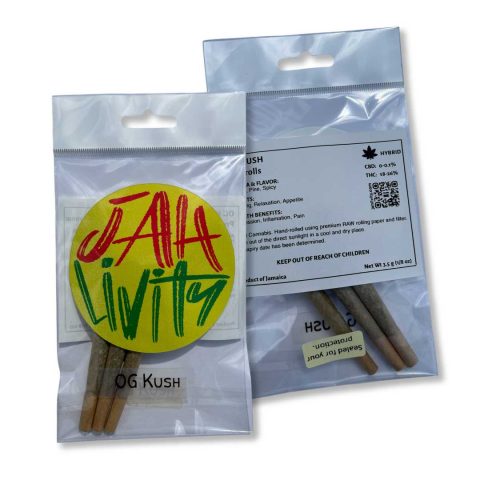
We offer Flower, Pre-Rolls, Ganja Gummies, Ganja Oil, Finger Hash, Full Spectrum Vapes, and a range of accessories in Our Shop.
8. How do I choose the right strain from Jah Livity?
Jah Livity offers some of the best weed in Jamaica, available in a wide variety of strains, including calming Indicas, uplifting Sativas, and balanced hybrids. Browse detailed descriptions in Our Shop or reach out to di Jah Livity team fi personalized advice.
Still got questions? visit di FAQ page.
Respect and Blessings!